Peer-led APCORE workshops at APU immerse students in real-world AI and modular robotics applications, proving that practical engineering innovation begins long before graduation.
Image
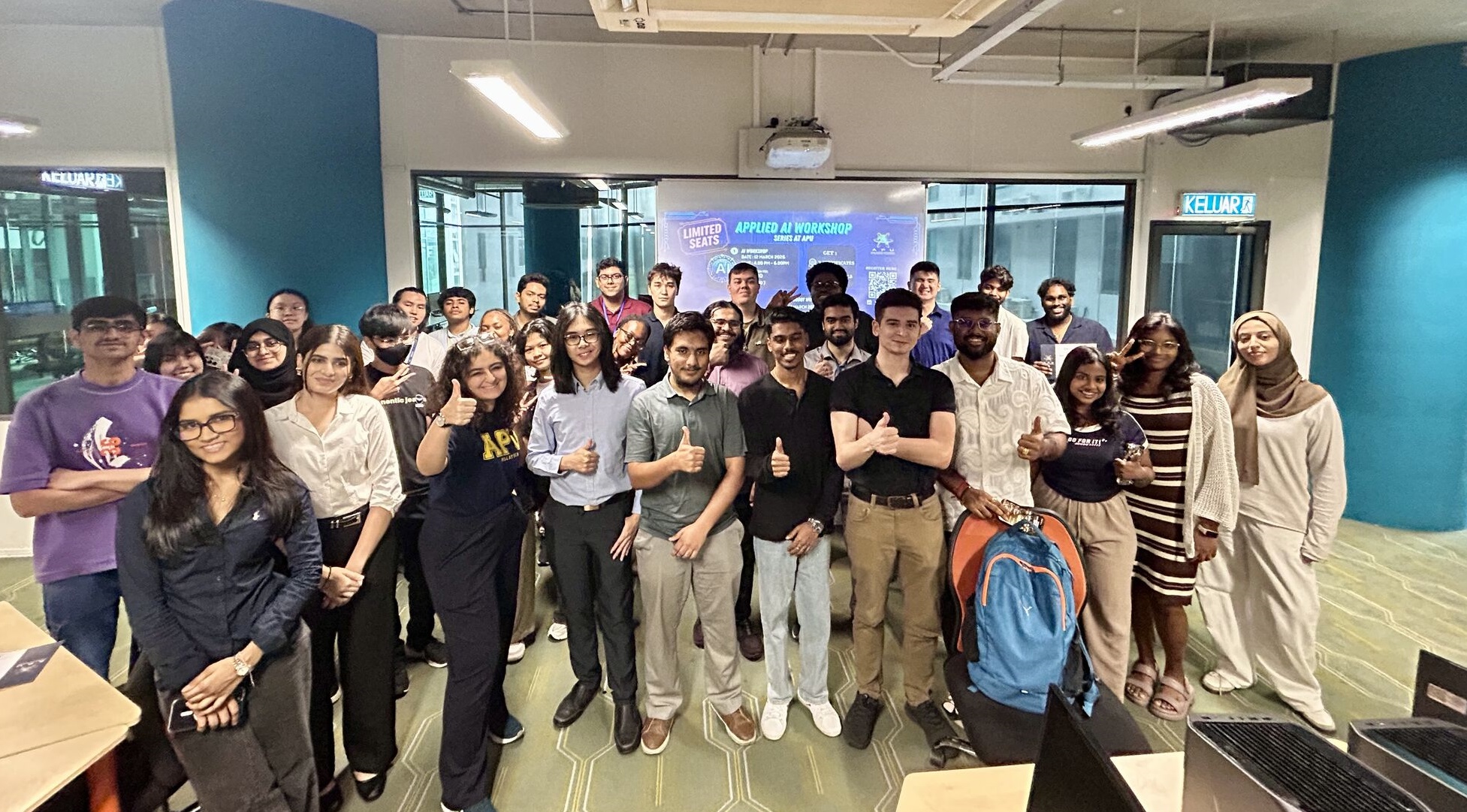
Fully driven by a peer-led support system where students guide fellow students, the Asia Pacific Centre of Robotics Engineering (APCORE) at the Asia Pacific University of Technology & Innovation (APU) recently transformed the traditional laboratory environment into a lively ecosystem of experimentation, collaboration, and innovation.
Held on March 12 and 14 at APU, APCORE’s two specialised technical workshops brought together aspiring innovators from diverse academic backgrounds for an immersive journey into the worlds of artificial intelligence and modular robotics. More than merely introducing technical concepts, the back-to-back sessions were carefully designed to bridge the gap between complex coding theories and meaningful real-world applications.
At the heart of both workshops was a powerful message: understanding how machines think is just as important as understanding why they are built.
The first session, titled Applied AI Workshop — Empowering Everyday Innovation, attracted 32 highly engaged participants eager to explore the practical applications of computer vision and machine learning. The workshop was led by Ng Soon Teck, Lead Trainer and a Bachelor of Computer Engineering with Honours student at APU, together with Thasne Rames, Lead Coordinator and a Bachelor of Engineering in Mechatronics Engineering with Honours student at APU.
Using the renowned YOLO (You Only Look Once) object detection model, participants were introduced to a different way of approaching computer vision technology. Rather than analysing images in stages, the YOLO model processes an entire image in a single pass, enabling remarkably fast and accurate object detection capabilities.
Instead of passively observing demonstrations, participants actively configured their own local development environments using Visual Studio Code and laptop cameras to experience the technology first-hand. This practical approach encouraged students to engage directly with the mechanics behind AI systems while building confidence in deploying machine learning applications independently.
The workshop culminated in APCORE’s “AI in Daily Life” challenge, where participants worked in teams to design real-time object detection applications aimed at solving everyday problems. Through this challenge, students gained valuable exposure to the complete AI development cycle, from training and testing models to implementing functional applications in real-world scenarios.
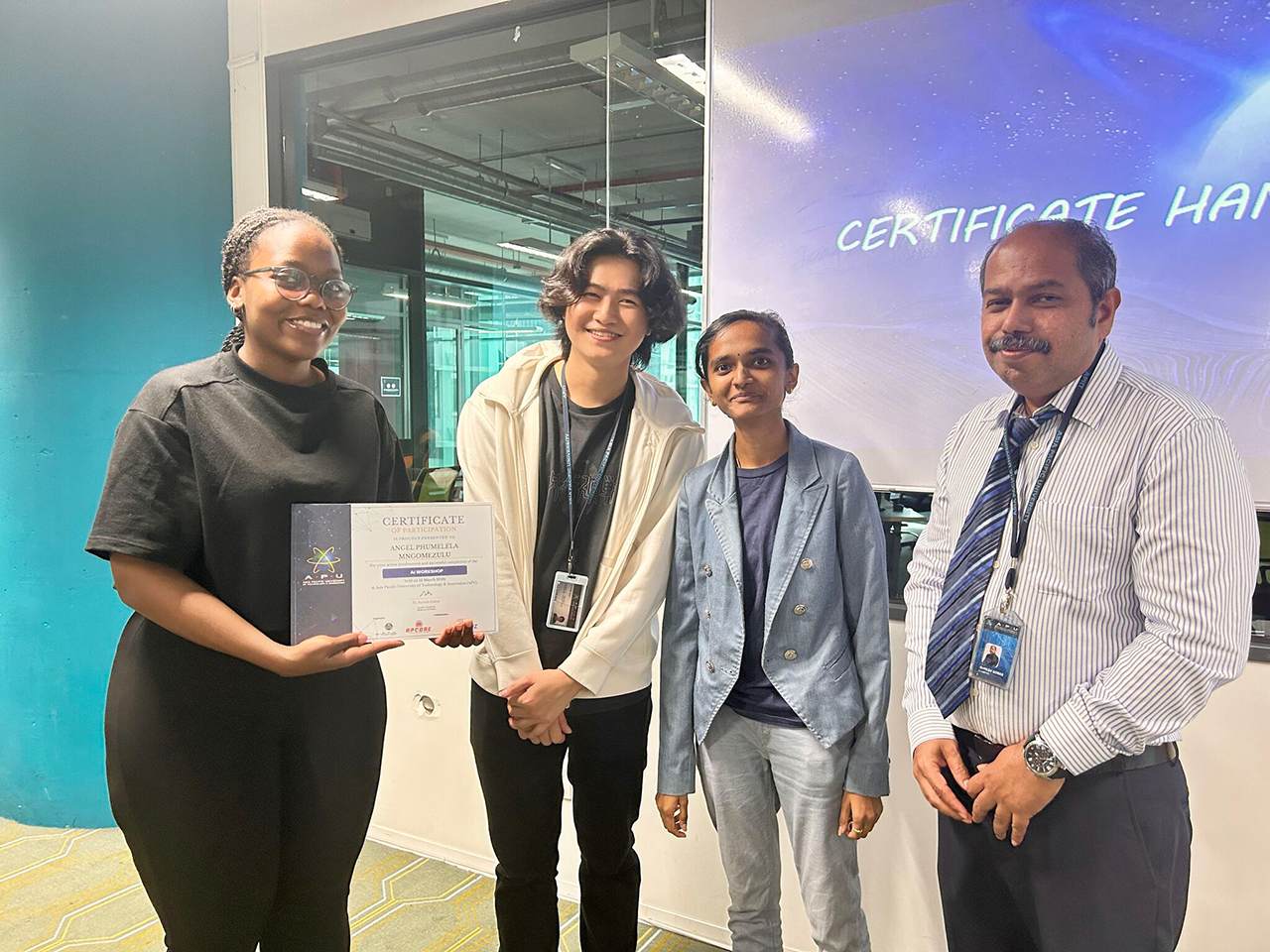
Demonstrating both creativity and technical capability, “Team Milo”, comprising Angel Phumelela Mngomezulu, Sarvena Jeyantan, Ranjana Murugappan, and Heng Chee Sheng, alongside “Team Kumis”, represented by Ashraf Omar, Luumuno Halwampa, Kamil Nazirov, and Iskender Sakhalinbekov, emerged as winners of the Best AI Implementation Prize.
Two days later, APCORE shifted gears from artificial intelligence to robotics with the SMORPHI Robot Workshop, which welcomed 27 participants from various fields of study into the rapidly evolving world of modular robotics.
Unlike traditional fixed-frame robots, the SMORPHI platform enables users to reconfigure robotic structures, challenging participants to rethink the relationship between hardware geometry and software logic. This unique flexibility encouraged students to understand that robotics is not simply about assembling machines, but about designing adaptive systems capable of responding intelligently to changing environments.
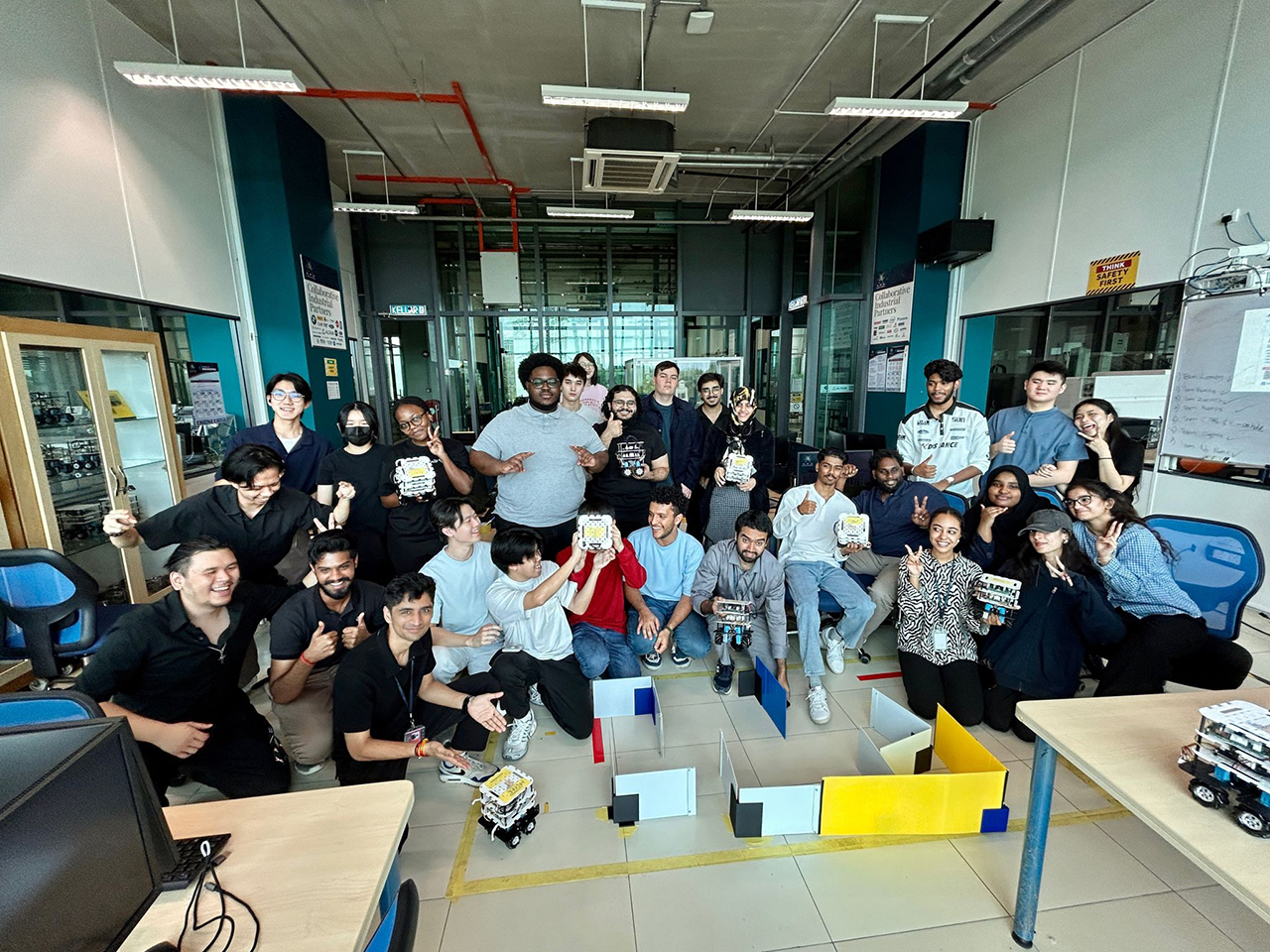
From 10 a.m. to 3 p.m., the lab buzzed with experimentation as participants programmed robots to navigate maze challenges autonomously. Rather than relying on simple directional commands such as “forward” or “left”, students were tasked with building systems capable of interpreting sensor data and making decisions in real-time.
The success of the workshop relied heavily on the dedication of APCORE’s student leaders and volunteers. Lead Coordinator Thasne Rames and Lead Trainer Harindraa Shanmugam, a Bachelor of Engineering in Mechatronics Engineering with Honours student at APU, together with a committed student support crew, worked closely with participants throughout the sessions to ensure no one was left behind.
This “for students, by students” approach played a vital role in making highly technical subjects such as machine learning, robotics, and kinematics feel approachable, practical, and grounded in real-world applications.
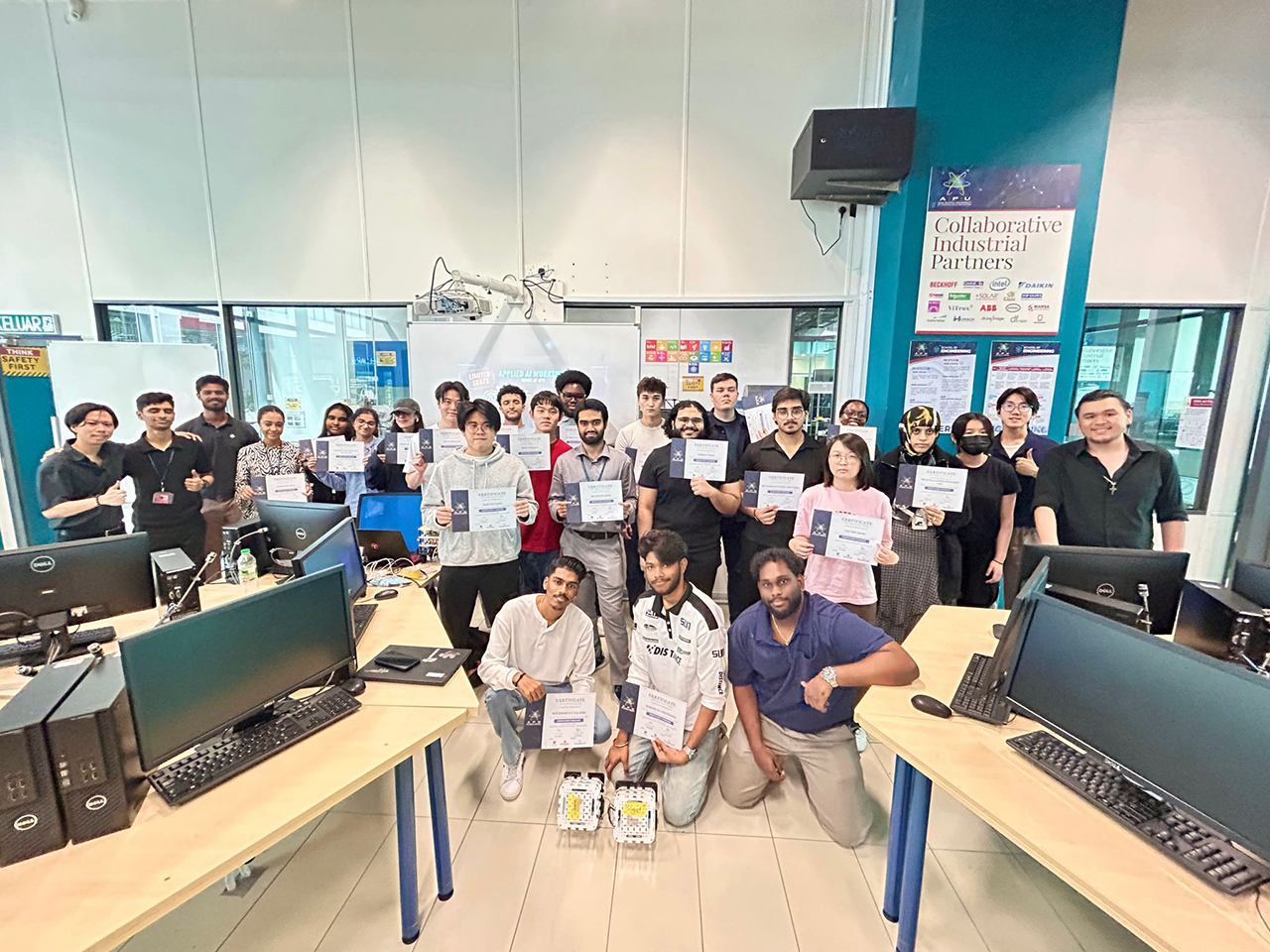
Reflecting on the impact of both workshops, Ts Suresh Gobee, Head of APCORE, reaffirmed the centre’s broader educational mission.
“We want our students to be more than just users of technology; we want them to be the architects,” he said.
“These workshops, under the guidance of Dr Adeline Sneha John Chrisastum, our Senior Lecturer at the School of Engineering, have proved that when you give students the right tools and a little bit of guidance, they can solve real-world problems before they even graduate,” he added
As the workshops concluded, the vibrant energy across the laboratory reflected the effectiveness of experiential learning and peer collaboration. Through initiatives such as these, APCORE continues to demonstrate that at APU, engineering is far more than a classroom discipline — it is a hands-on journey where students are empowered to innovate, experiment, and shape the technologies of tomorrow.
News & Happening
Download e-Brochures
Intake Calendar
Want to know more ?
Let’s Connect