APU Students Turn Surplus Food into Shared Hope
In conjunction with Environmental Month 2026, fourteen students from Foundation and Degree programmes at Asia Pacific University of Technology & Innovation (APU) joined a volunteer outreach programme at The Lost Food Project on 11 June 2026.
Image
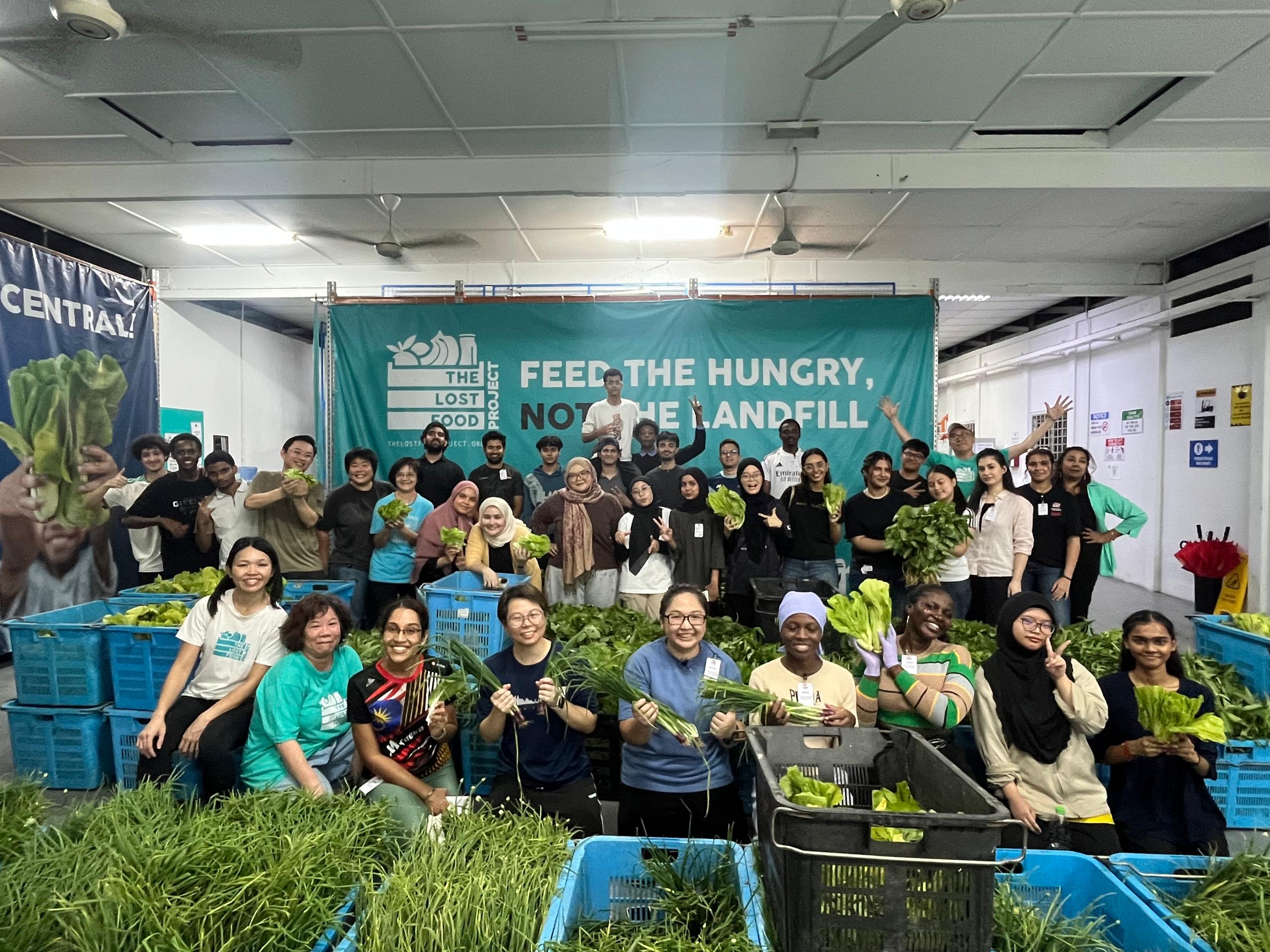
Located in Kuala Lumpur, The Lost Food Project is a Malaysian not-for-profit organisation and eco-food bank that rescues surplus, edible food otherwise sent to landfills, and redistributes it to vulnerable and low-income communities.
APU’s volunteers joined other community partners to sort donated fruits and vegetables. Over several hours, they inspected, cleaned and organised the produce to ensure quality food items were prepared for redistribution.
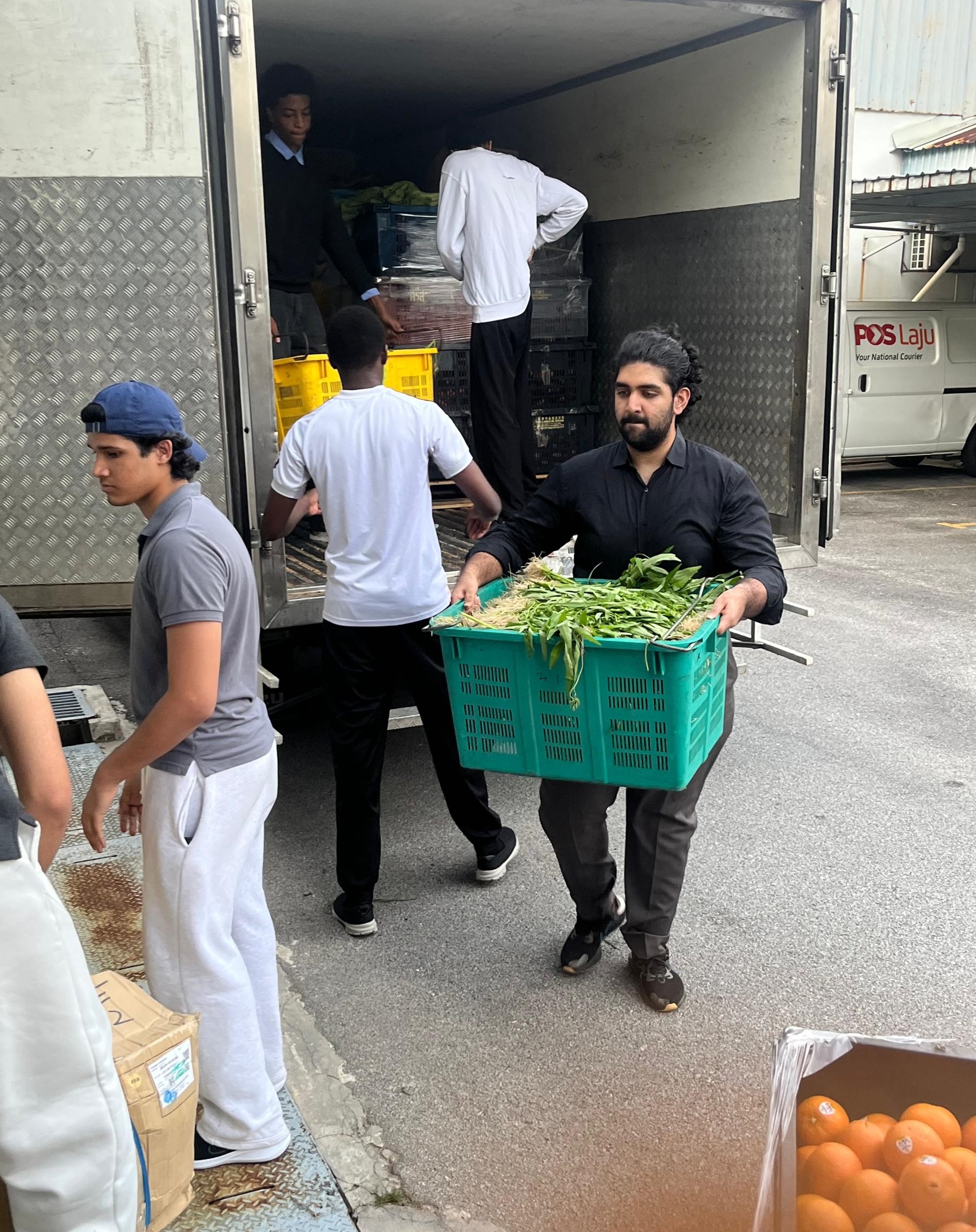
The recovered food items were channelled to low-income families living in flats and community housing, orphanages, welfare homes and elderly care centres. Food that might otherwise have been discarded was redirected to people in need, addressing food insecurity while encouraging responsible consumption.
Seeing Value in What Others Discard
For the participating students, the outreach offered more than volunteer exposure. It became a service-learning experience that brought them face-to-face with sustainability challenges.
Students witnessed edible food often discarded due to oversupply, appearance or limited shelf life. The experience deepened their understanding that food is not merely a daily necessity, but a resource that requires gratitude, care and responsible use.
By taking part in the sorting process, students saw how collective action can create impact. One box of rescued vegetables could become a nourishing meal for a family. One tray of fruits could comfort children, elderly residents or community members facing hardship.
Through volunteerism, the students developed empathy, teamwork and social responsibility while supporting a cause that benefits vulnerable communities.
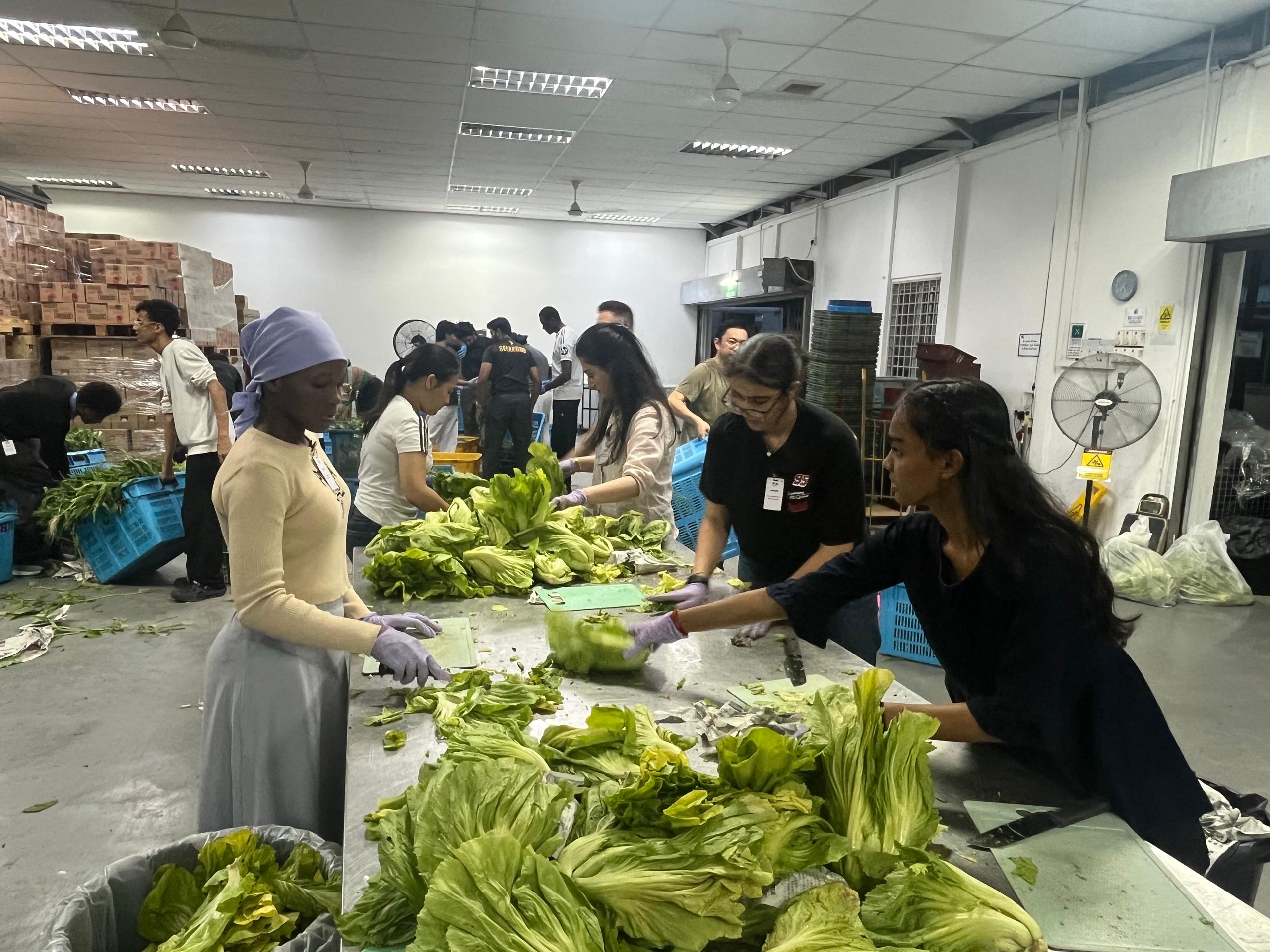
Sharing her thoughts, Muchikichi Faith, a Foundation Studies student from Zimbabwe, said, “This volunteering experience opened my eyes to the amount of food wasted every day. Knowing that the fruits and vegetables we sorted would be delivered to families and elderly people in need made it meaningful. It taught me that even small efforts can make a big difference.”
Partnerships that Nourish Communities
The initiative was conducted under the ongoing collaboration established through the Memorandum of Understanding between APU and The Lost Food Project, reflecting a shared commitment towards sustainability, food security and community empowerment.
The outreach also forms part of a broader sustainability initiative with the Soroptimist International Club of Shah Alam (SISA). It strengthened partnerships between educational institutions, non-governmental organisations and community groups, demonstrating how collaboration can build resilient communities.
Hana Mohamed Youssef Emam, also a Foundation Studies student, shared, “I enjoyed working with students from different universities and organisations. The activity helped me understand the importance of sustainability and how food waste can be reduced through community action. It was rewarding to know that our work contributed to helping others.”
Towards Practical and Sustainable Solutions
Recognising that many families and community groups receive fresh produce but may not always know how to maximise its use, plans are underway to develop simple, nutritious and affordable recipes using commonly donated fruits and vegetables.
These recipes will suit beneficiaries’ income levels while encouraging healthier meal preparation and reducing household food waste. The collaboration also aims to empower community members by exploring opportunities to transform surplus produce into value-added products that can be sold within their communities.
By providing practical knowledge and entrepreneurial skills, beneficiaries may generate supplementary income while contributing to a circular economy model that minimises waste and promotes sustainable living.
This initiative supports SDG 2: Zero Hunger by improving food security through the recovery and distribution of edible fruits and vegetables to low-income families, orphanages and elderly homes, while promoting nutritious meal preparation. It also advances SDG 12: Responsible Consumption and Production by reducing food waste, encouraging sustainable resource use and fostering circular economy thinking.
Reflecting on the outcome, Ms Cynthia Mala Paul Dorairaj, Adviser of the Sustainable Future Fusion (SFF) Club and Lecturer at APU’s School of Business (SoB), said, “This collaboration shows how partnerships can transform surplus food into meaningful community support. By engaging students in service-learning, we nurture socially responsible graduates while promoting sustainability, compassion and active citizenship.”
Through this initiative, APU affirms that education is not confined to classrooms. It is found in acts of service, where students learn to treasure every grain, appreciate resources and turn compassion into action.
News & Happening
Download e-Brochures
Intake Calendar
Want to know more ?
Let’s Connect