Image
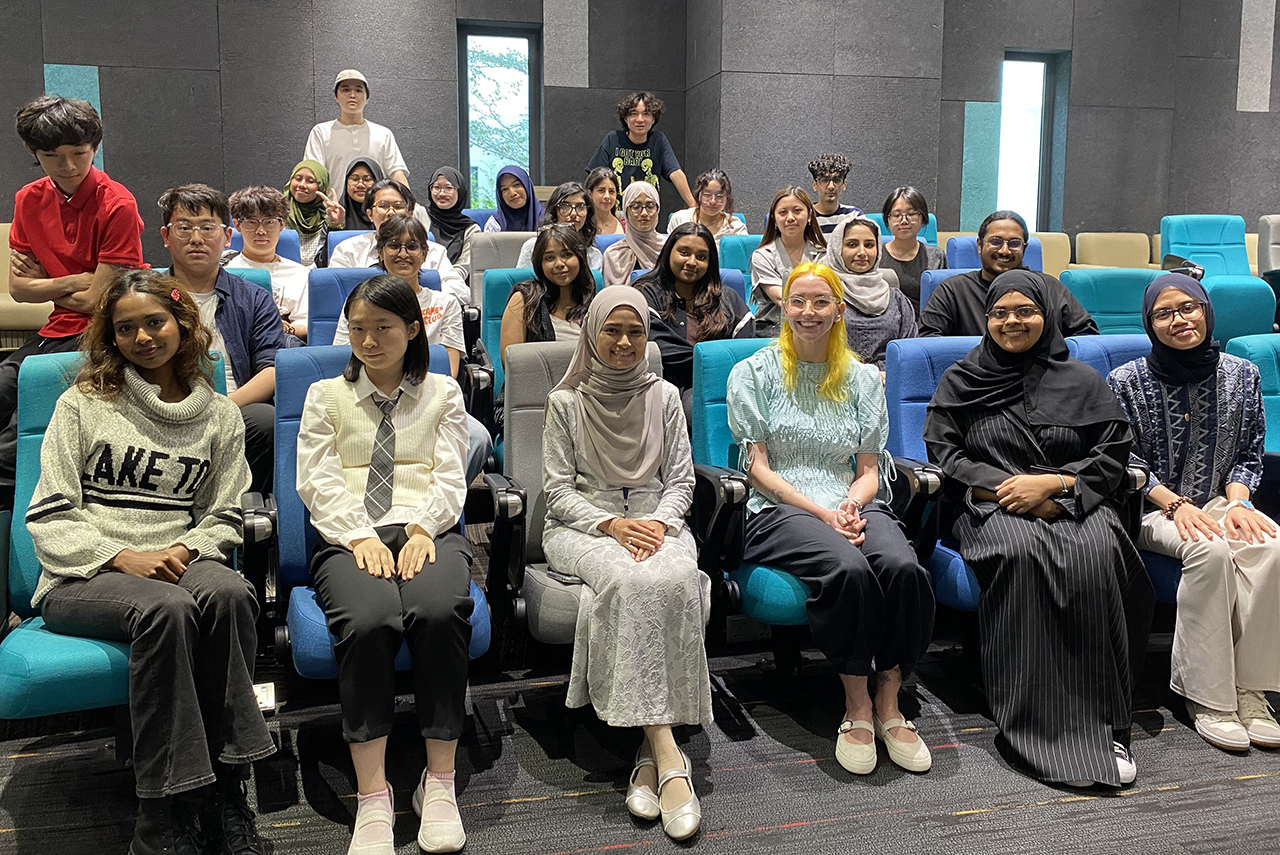
As part of the ongoing Dual Award collaboration between Asia Pacific University of Technology & Innovation (APU) and De Montfort University (DMU), the School of Psychology (SoP) at APU recently hosted a guest lecture titled “Online Misinformation and Disinformation,” featuring Dr Emily Smith, Lecturer in Developmental Psychology from the School of Applied Social Sciences at DMU Leicester.
Led by Ms Raihan Munira Moh Sani (Lecturer, SoP at APU), the guest lecture provided Psychology students with an opportunity to explore the psychological mechanisms underlying online misinformation and disinformation, while examining their growing impact on contemporary society.
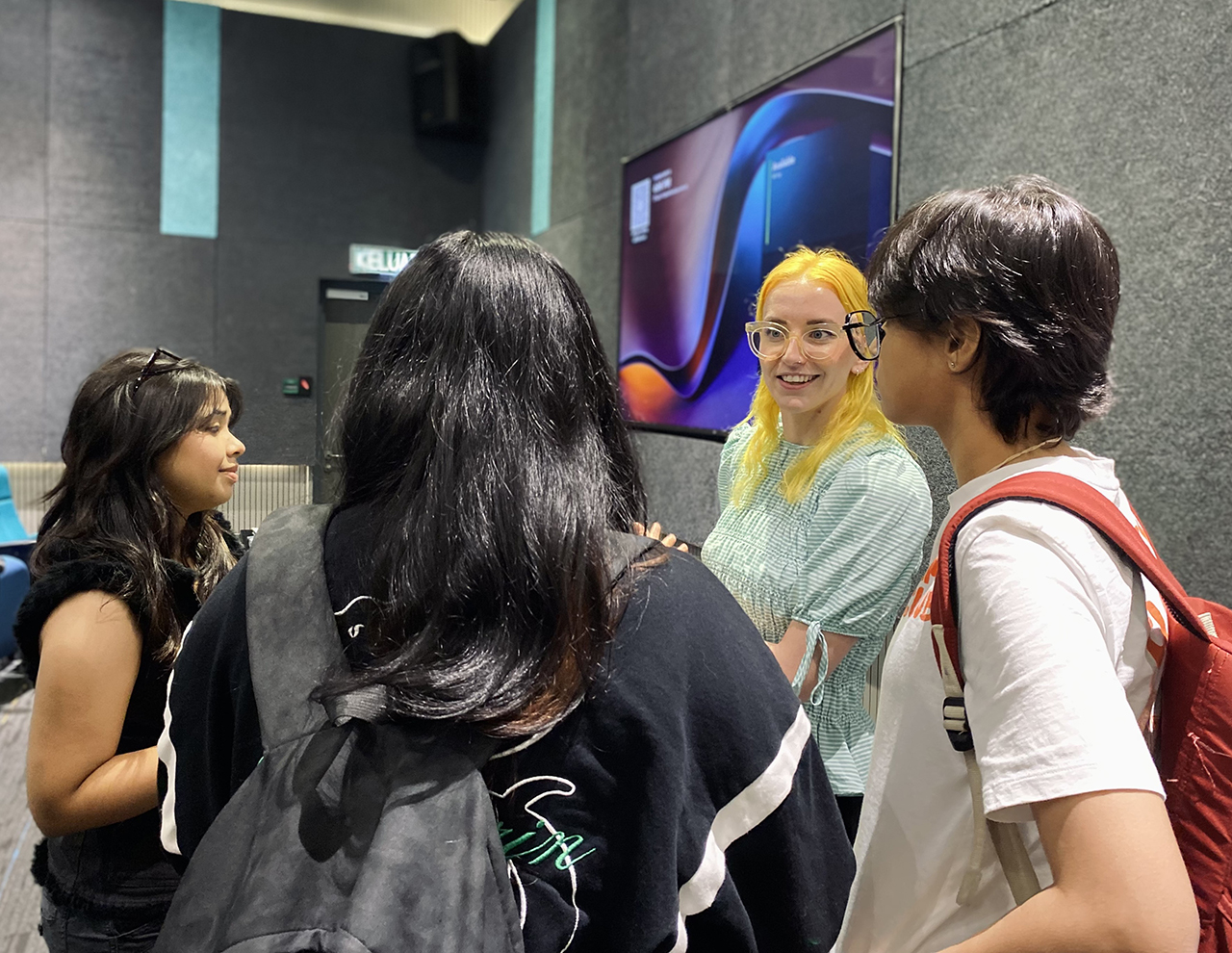
Dr Emily’s expertise offered students valuable international perspectives on the psychological and societal implications of online misinformation and disinformation.
Understanding and Combating False Information Online
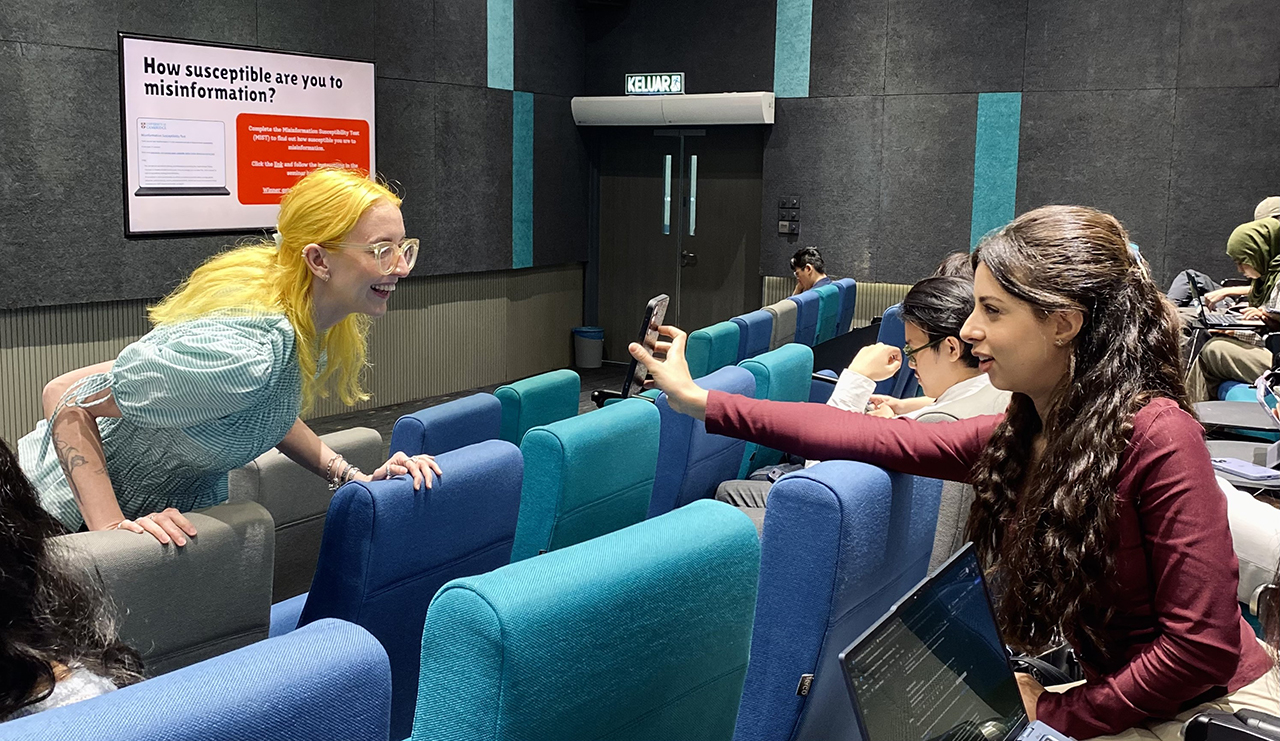
Throughout the session, Dr Emily guided students in examining the distinctions between misinformation, disinformation, and malinformation, enabling a deeper understanding of how different forms of false and misleading information spread across digital platforms.
Additionally, discussions explored the cognitive factors influencing susceptibility to misinformation, including intuitive thinking styles and the illusory truth effect, where repeated exposure increases perceived accuracy.
A key highlight of the session was the Misinformation Susceptibility Test, which Dr Emily guided students through, allowing them to assess their ability to identify misleading headlines and reflect on their own information-processing tendencies.
Building on these insights, students then collaborated in small groups to design practical interventions aimed at reducing vulnerability to online manipulation among university students.
Their proposed solutions included prebunking strategies, which prepare individuals to recognise common misinformation tactics before exposure, as well as behavioural nudges designed to encourage more critical evaluation of online content.
Through these interactive discussions and applied learning activities, students were able to translate psychological theory into practical approaches for addressing real-world digital challenges.
Empowering Students through Global Academic Exposure
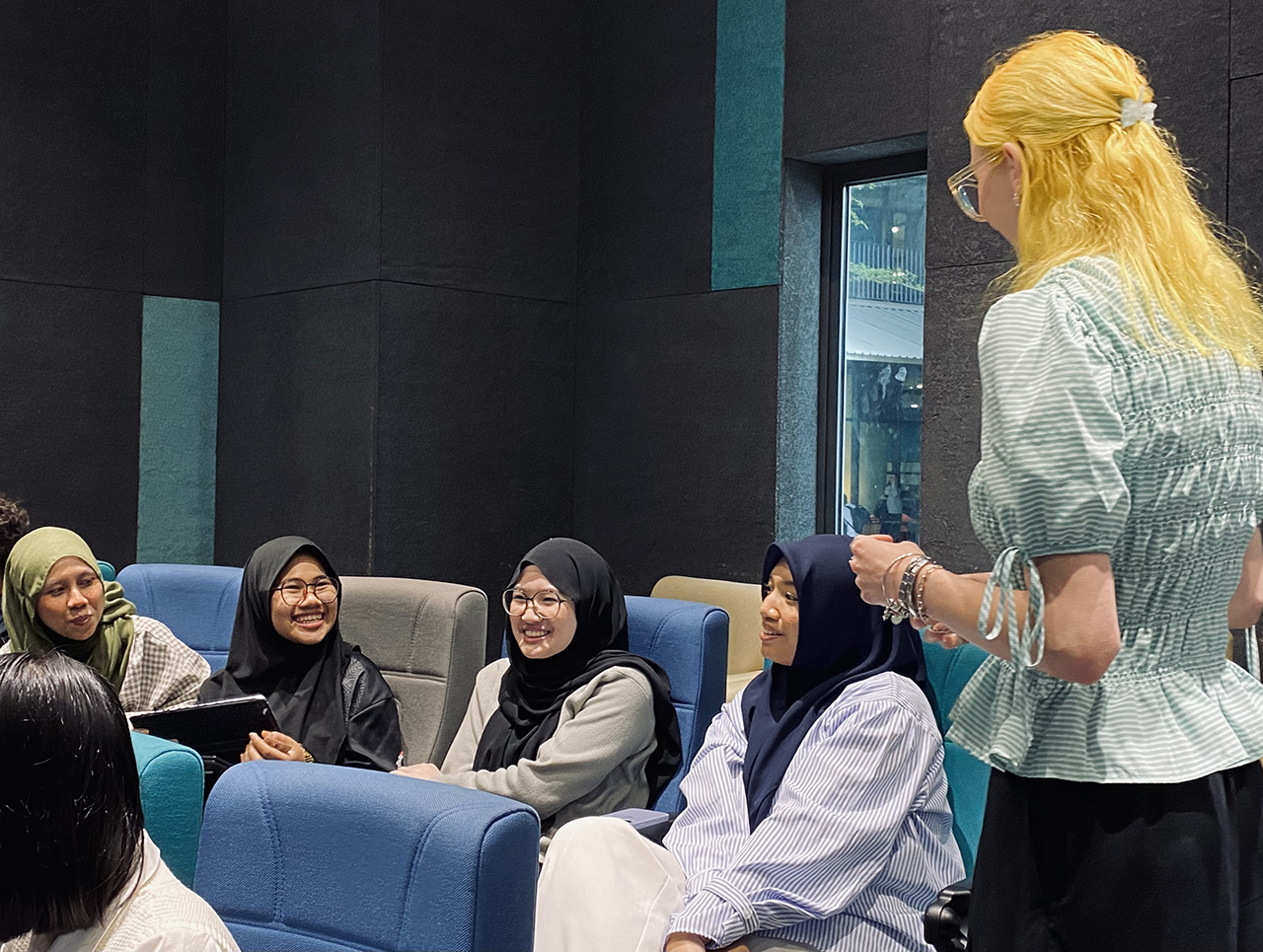
Reflecting on the guest lecture, Ms Raihan highlighted the value of interactive learning experiences that extend beyond traditional classroom settings.
“The session demonstrated how the Dual Award collaboration between APU and DMU, alongside broader international academic collaborations, helps students bridge the gap between theoretical knowledge and real-world issues; essential for students’ professional development.”
News & Happening
Download e-Brochures
Intake Calendar
Want to know more ?
Let’s Connect