Image
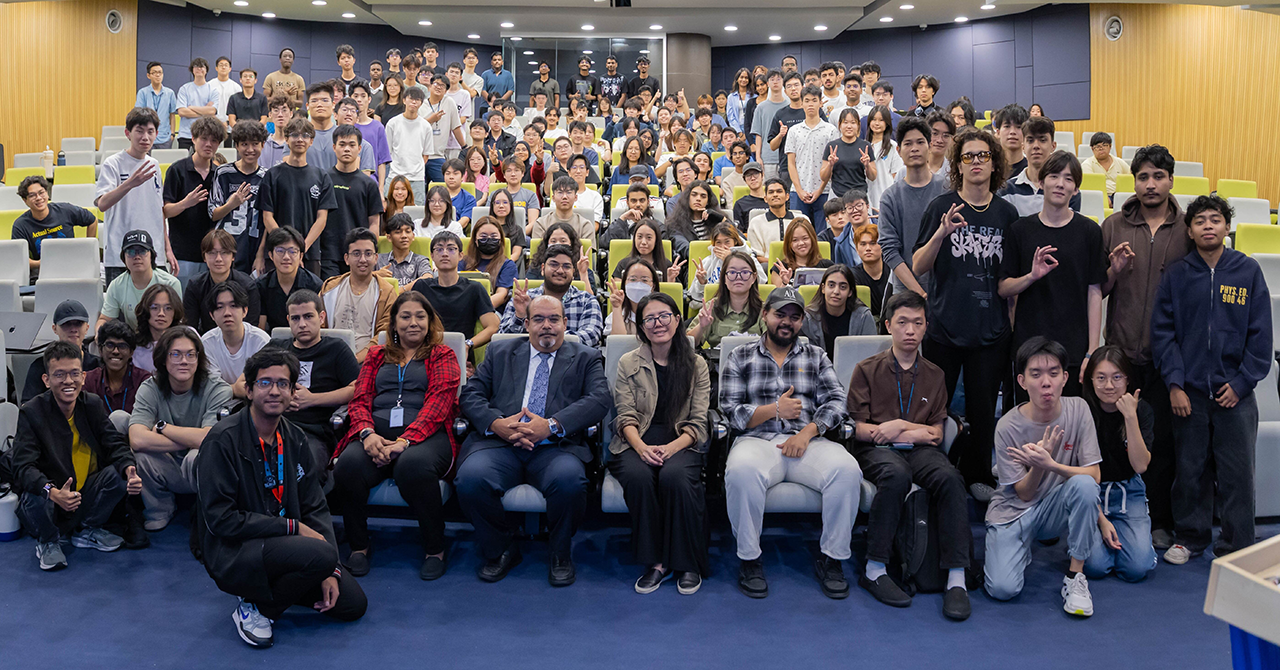
Recently, the School of Business (SoB) at Asia Pacific University of Technology & Innovation (APU) hosted an entrepreneurship talk titled “Beyond recycling: Turning Plastic Waste into Community Impact.”
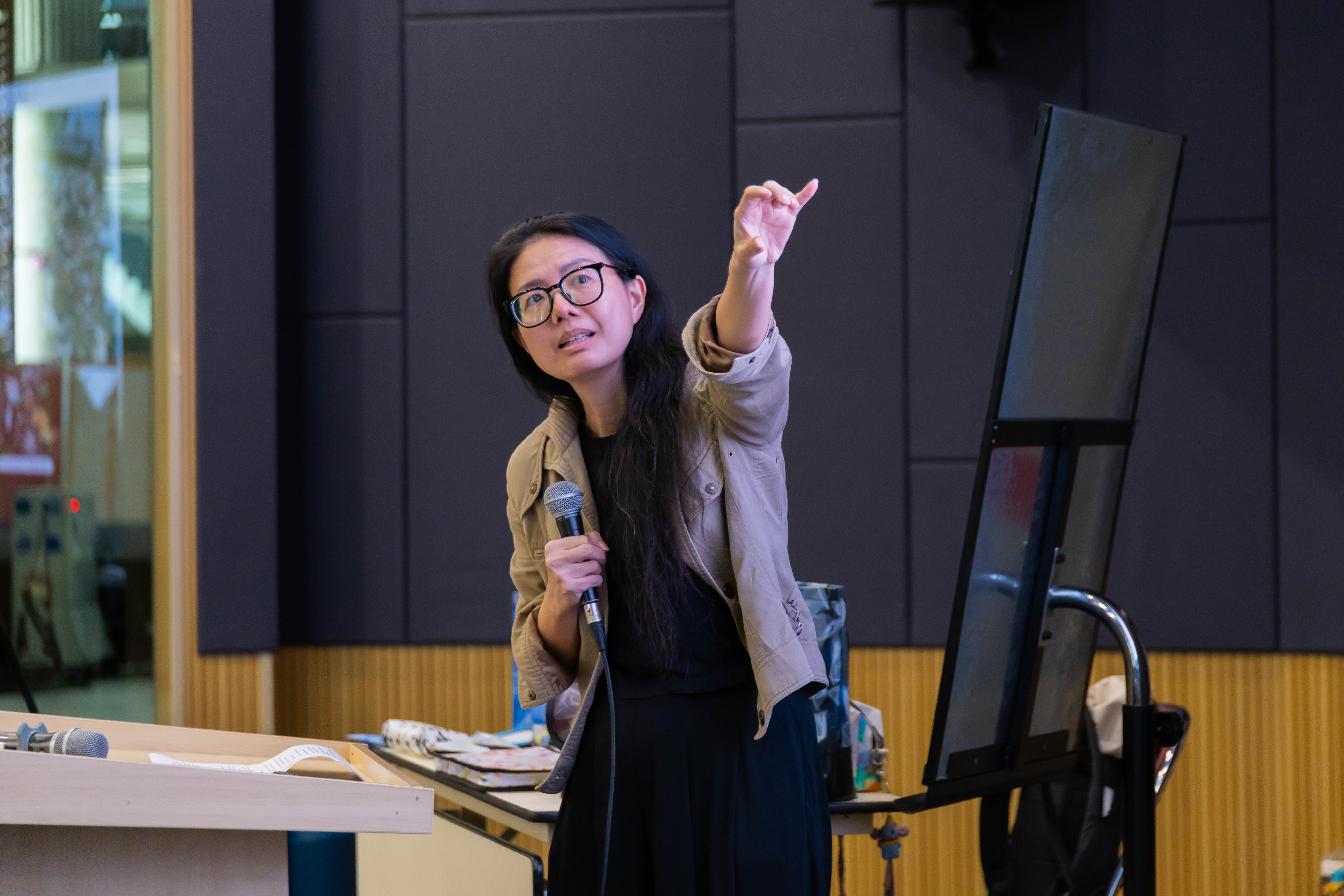
The session featured Ms Hung Bee Ling, Co-Founder and Chief Executive Officer of Hara Makers, who shared how sustainability and social entrepreneurship can work hand in hand to create meaningful environmental, economic, and community impact, aligning with Sustainable Development Goal 8, 12, and 13 (SDG 8, SDG 12, and SDG 13).
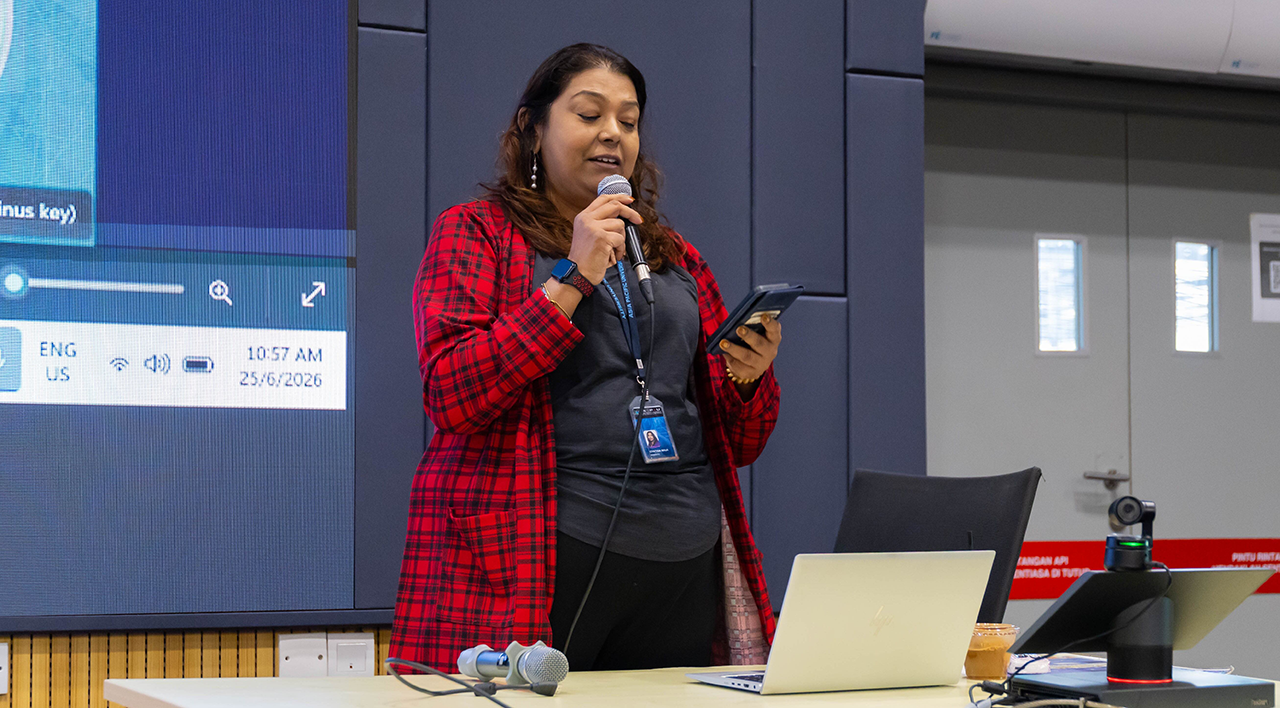
Organised by Ms Cynthia Mala Paul Dorairaj (Lecturer, SoB at APU), the session encouraged students to rethink entrepreneurship as a catalyst for positive change, demonstrating how businesses can address real-world challenges, while creating long-term value for society.
Turning Waste into Sustainable Solutions
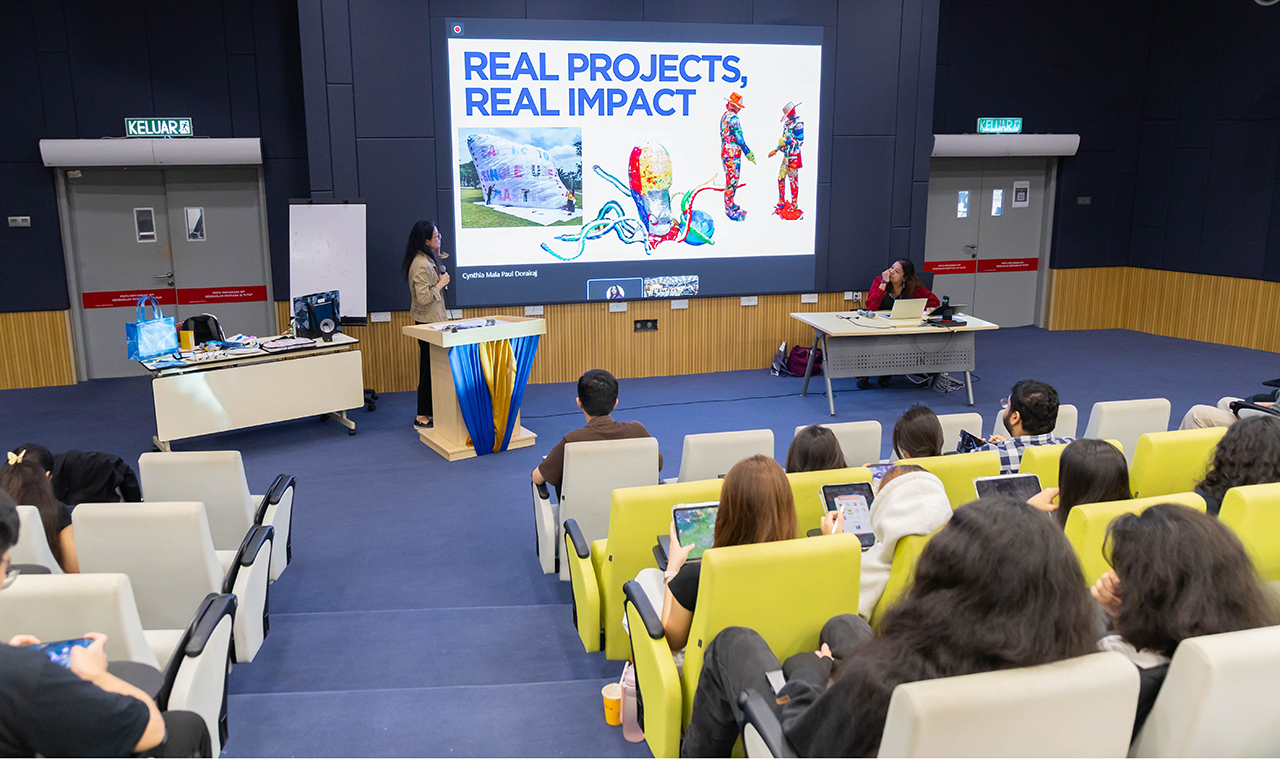
Drawing from Hara Makers’ experience, Ms Bee Ling introduced students to an innovative circular economy model that transforms discarded plastic waste into practical, high-quality lifestyle products.
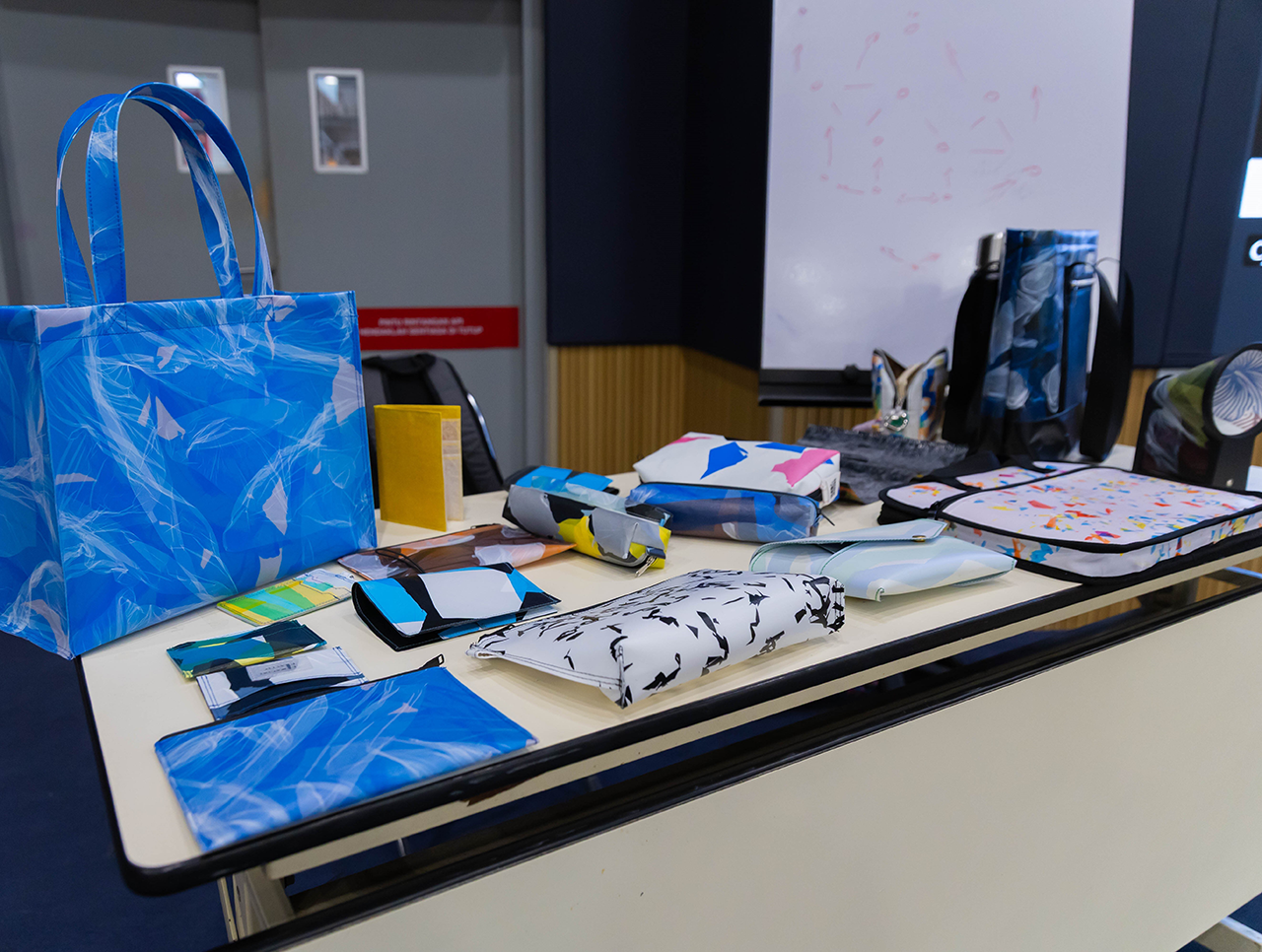
Through this approach, students learned how plastic collected from the environment undergoes a systematic process of cleaning, sorting, shredding, and heat-pressing before being converted into durable recycled sheets that are then handcrafted into products such as tote bags, pencil cases, card holders, key holders, keychains, and other everyday accessories.
Beyond showcasing the production process, Ms Bee Ling highlighted how Hara Makers integrates environmental sustainability with community empowerment by creating sustainable income-generating opportunities for lower-income communities throughout the collection, processing, and manufacturing stages.
This demonstrated how businesses can address environmental challenges, while simultaneously supporting social development through inclusive and purpose-driven practices.
Also, through practical examples and real-world experiences, students developed a deeper understanding of how waste materials can be reimagined as valuable resources, creating opportunities for innovative entrepreneurship, while contributing towards environmental conservation and sustainable economic growth.
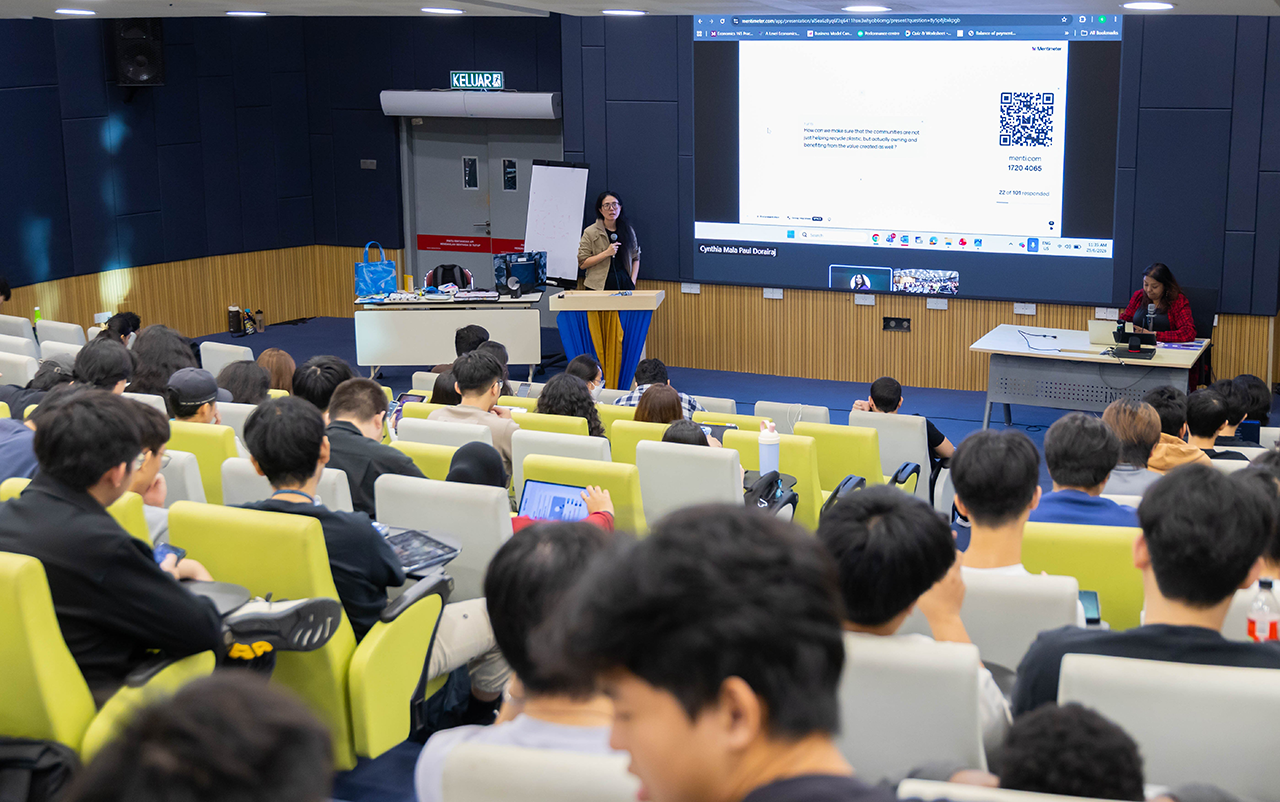
The session concluded with an engaging Q&A session, where students further explored the practical realities of building and scaling a social enterprise, including maintaining product quality, educating consumers, and balancing financial sustainability with community impact.
The discussion provided students with a deeper understanding of the opportunities and challenges involved in developing businesses that create meaningful value for both society and the environment.
Student Perspectives
A few perspective from students:
- Zharif Mohd Saiful: “The talk broadened my perspective on entrepreneurship by showing me how environmental challenges can inspire innovative solutions and meaningful business opportunities, while encouraging me to look beyond conventional markets and explore ways to create both economic and social value.”
- Lavinesh Ravindran: “Learning about the journey behind each recycled product gave me a deeper appreciation of how sustainable choices can support local communities, while contributing towards environmental conservation; showing that even small actions can create meaningful social impact.”
- Vindiya: “Discovering how recycled materials can be transformed into meaningful products encouraged me to become more mindful of my purchasing choices, and showed me how individual actions can contribute towards environmental conservation and a more sustainable future.”
Creating Lasting Impact through Sustainable Enterprise
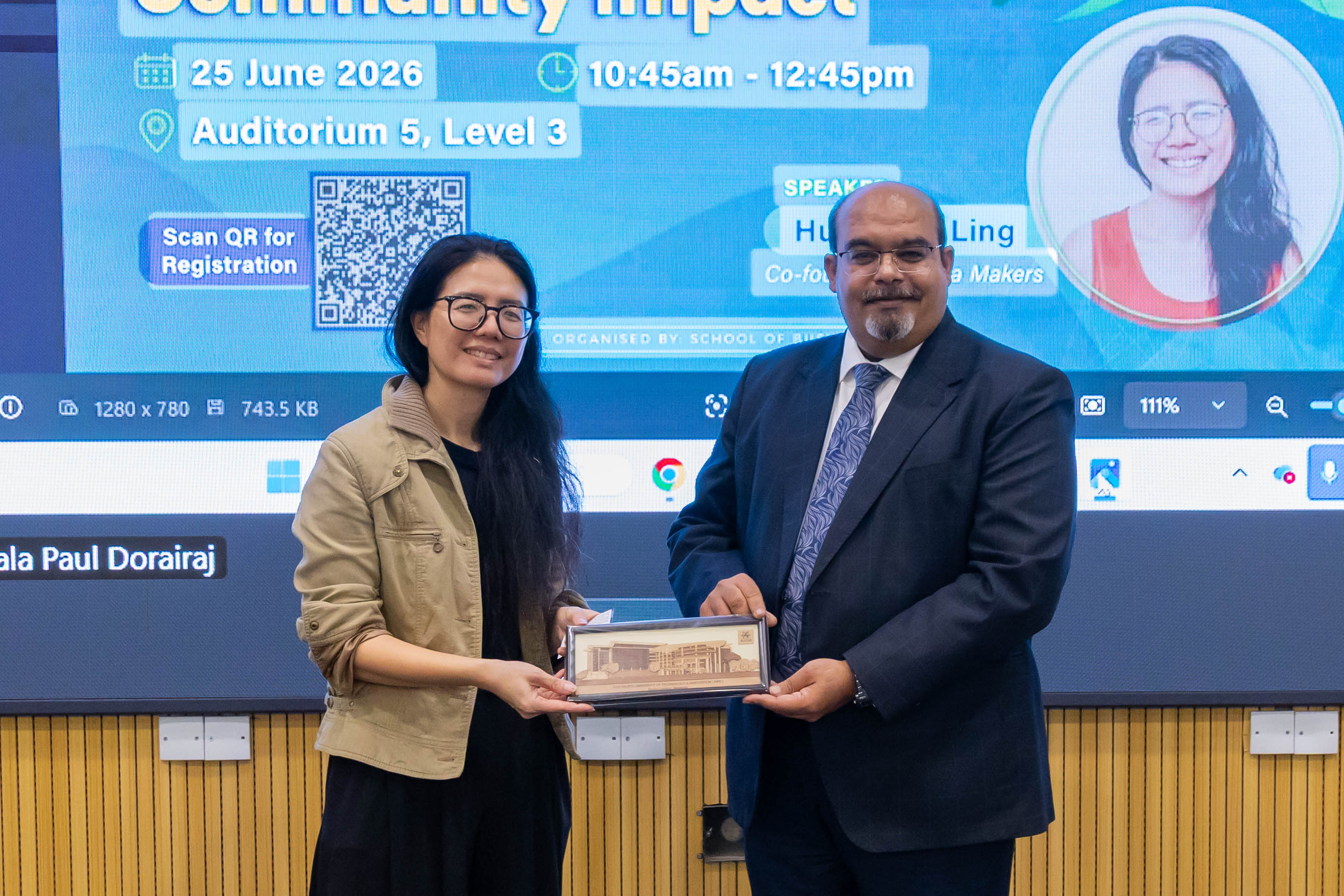
Overall, the talk successfully demonstrated that sustainability and entrepreneurship are not separate pursuits, but complementary drivers of innovation, resilience, and inclusive growth.
Reflecting on the significance of the session, Prof Dr Kashif Hussain (Senior Head, SoB and School of Global Hospitality and Tourism at APU) emphasised the importance of exposing students to entrepreneurial models that integrate purpose with innovation.
“Through sessions like this, our students are encouraged to see entrepreneurship as an opportunity to solve real-world challenges, while creating lasting value for communities and the environment.”
News & Happening
Download e-Brochures
Intake Calendar
Want to know more ?
Let’s Connect