Three-day SoMAQS initiative introduces Form 3 students to game-based learning, digital graphing and responsible AI use, making Mathematics more interactive, engaging and meaningful.
Image
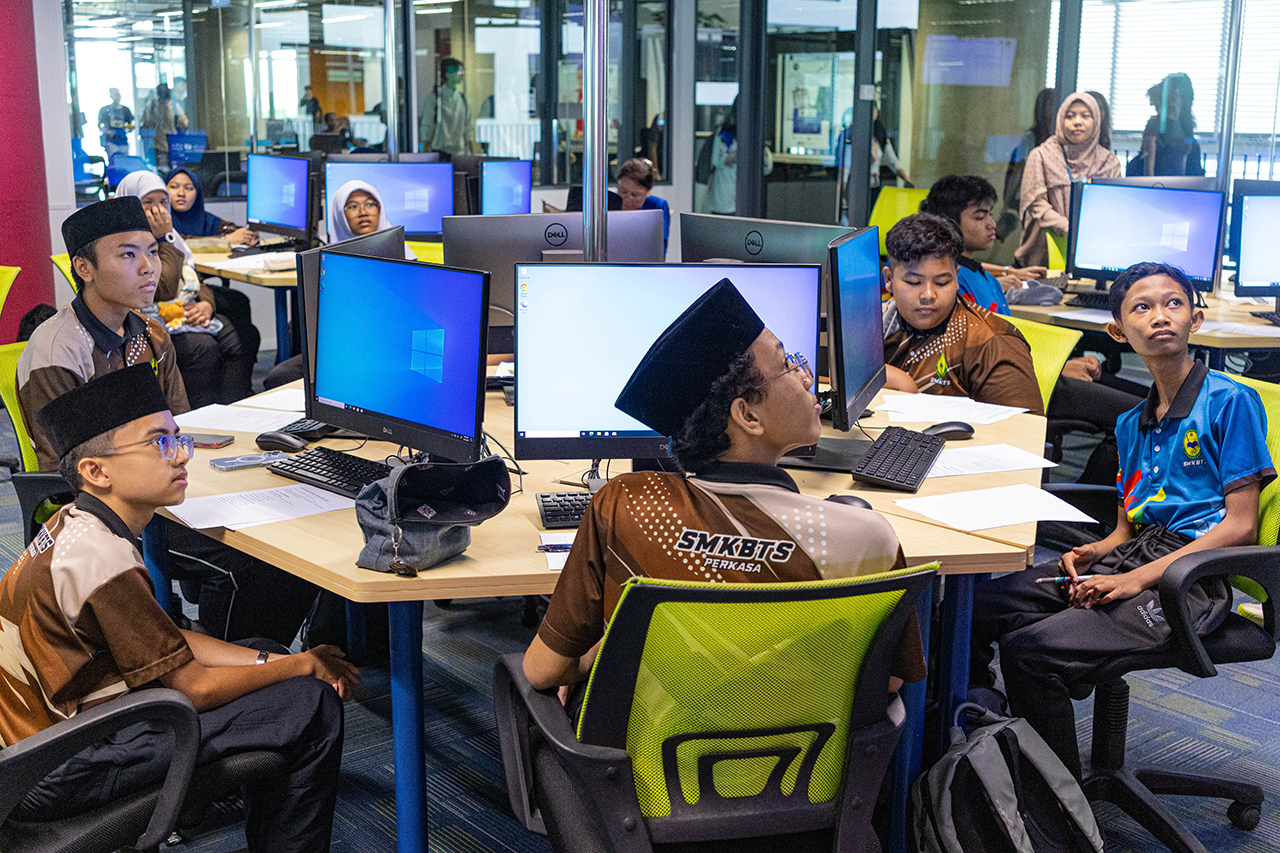
Mathematics became more than numbers, formulas and classroom exercises for 40 Form 3 students from Sekolah Menengah Kebangsaan Bandar Tasik Selatan (SMKBTS), who participated in a three-day Knowledge Transfer Programme (KTP) organised by the School of Mathematics, Actuarial and Quantitative Studies (SoMAQS) at Asia Pacific University of Technology & Innovation (APU).
Held from 8 to 10 September 2026, the programme was designed to deepen students’ interest in Mathematics by exposing them to different learning approaches and digital tools that could make mathematical concepts more interactive, engaging and meaningful.
The first two days were conducted at SMK Bandar Tasik Selatan, while the final day brought the participants to APU, allowing them to experience learning within a university environment.
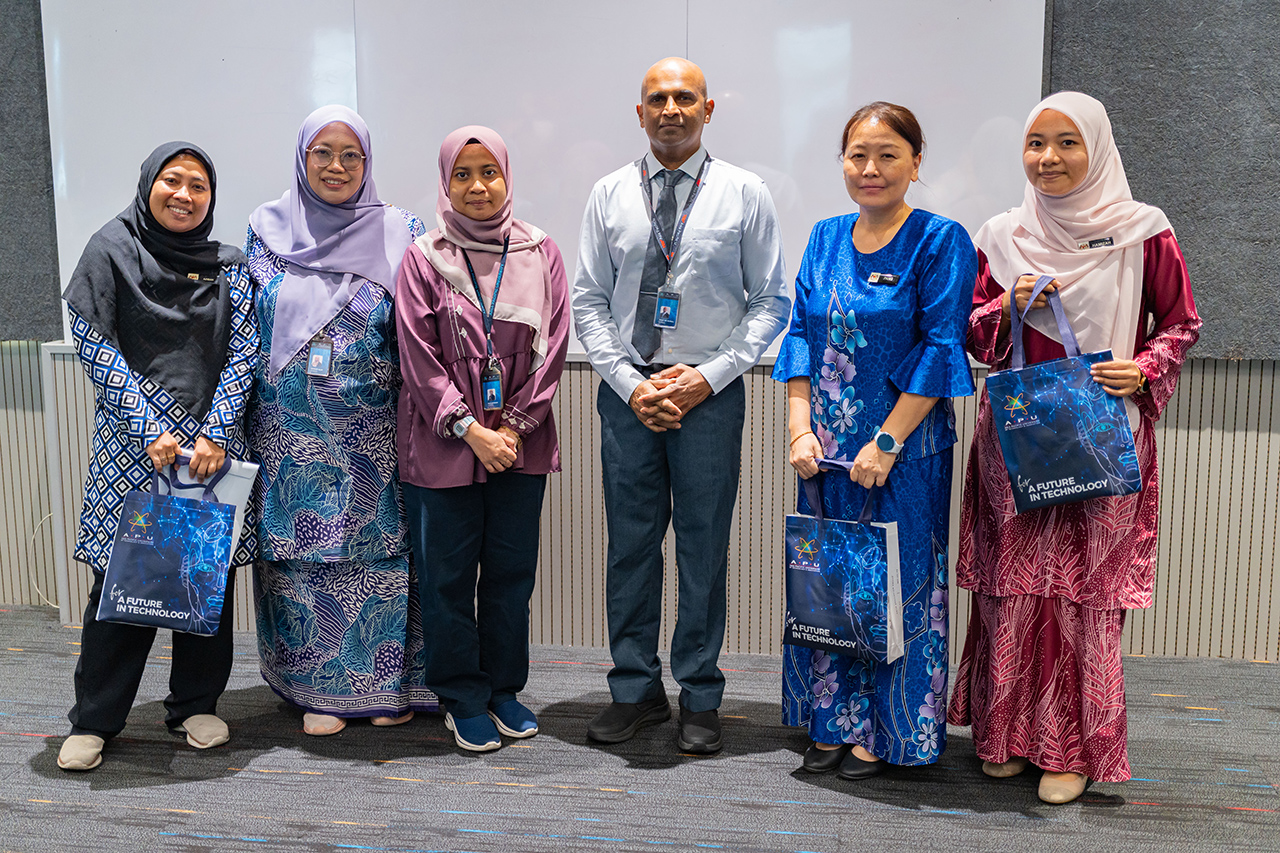
The students were accompanied by three Mathematics teachers from SMKBTS — Puan Azidah Binti Sahari, Puan Nurhamizah Binti Jazlan and Puan Pang Suk Peng.
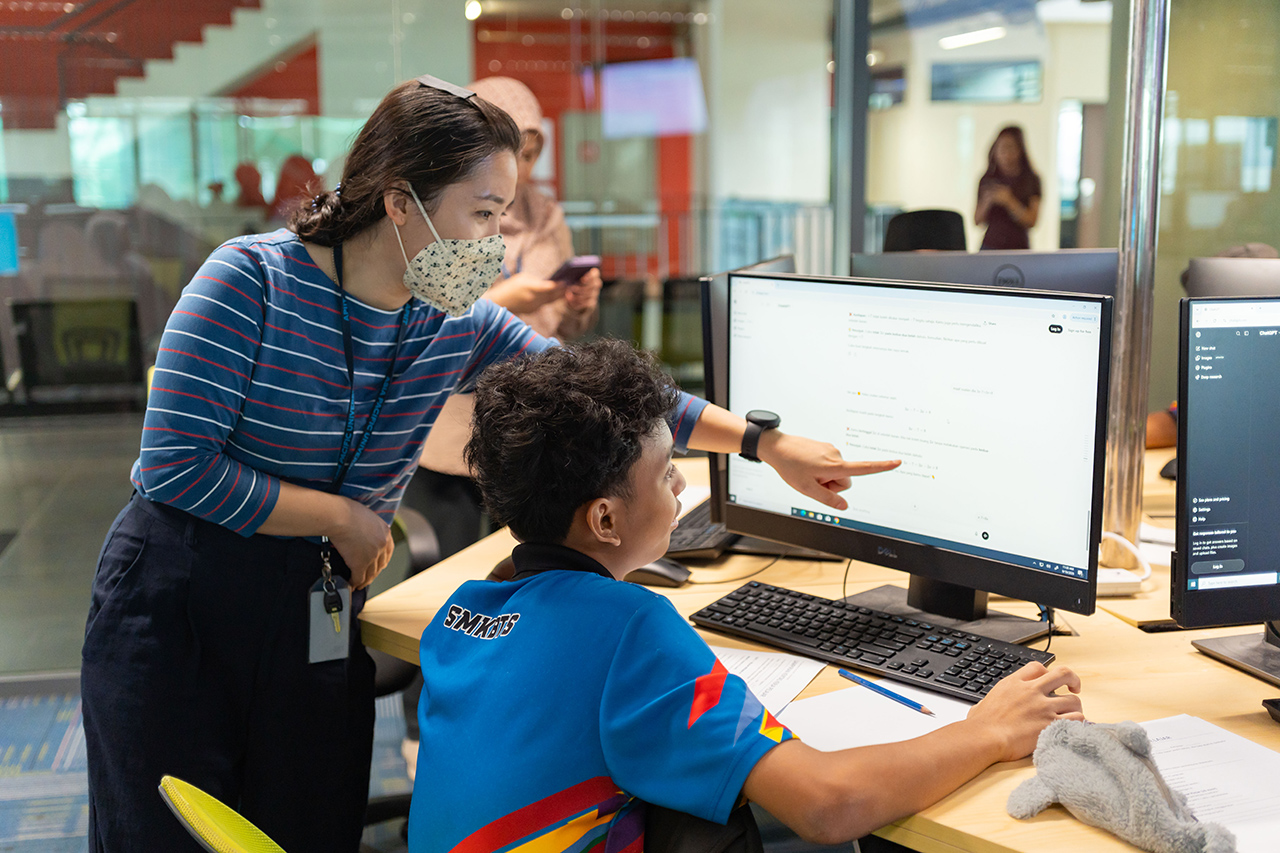
Leading the initiative was Ms Norain Alwi, Lecturer at SoMAQS and KTP Project Director, with support from fellow lecturers Ms Penny Ngu Ai Huong and Dr Rahimah Abdul Rafar. Together, they structured the programme around three learning modules that demonstrated how Mathematics could be explored through problem-solving, visualisation and emerging technologies.
Turning Problem-Solving into Play
The first module introduced students to Game-Based Learning, where mathematical thinking and problem-solving were incorporated into interactive activities.
Instead of approaching Mathematics solely through conventional exercises, students were encouraged to analyse situations, develop strategies and make decisions while participating in game-based challenges.
This approach created a more relaxed yet purposeful learning environment, allowing students to see that mathematical thinking can be applied beyond textbooks and examinations.
Through the activities, participants strengthened their critical thinking and problem-solving abilities while discovering that learning Mathematics can also be enjoyable, collaborative and creative.
Seeing Mathematics Through Desmos
The second module shifted the students’ attention towards mathematical visualisation through Desmos, an interactive digital graphing platform.
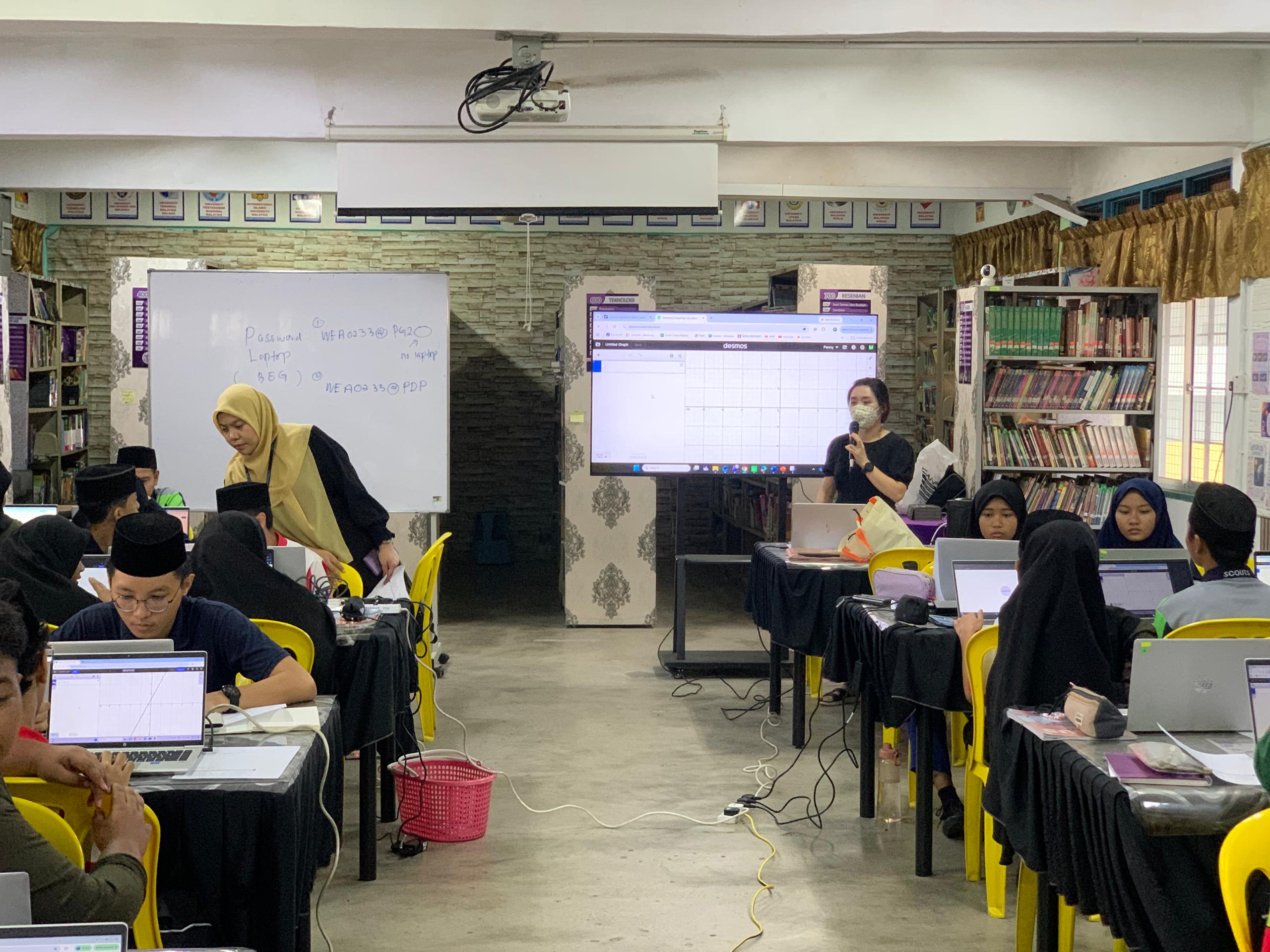
Students explored different types of graphs and learned how mathematical expressions could be translated into visual representations using the software.
Through hands-on experimentation, they observed how changes in equations affected the shape, direction and behaviour of graphs in real time.
This visual approach helped students connect mathematical expressions with their graphical outcomes, making abstract concepts easier to explore and understand.
By interacting directly with the graphs, students were also encouraged to experiment, make observations and learn through discovery rather than simply memorising mathematical procedures.
Learning to Use AI as a Mathematics Partner
The third module introduced students to the responsible use of ChatGPT as a supporting tool for Mathematics learning.
Rather than using Artificial Intelligence simply to obtain final answers, participants learned how to formulate effective prompts, ask for step-by-step explanations, identify possible errors in solutions and verify their own answers.
The session placed strong emphasis on responsible and ethical AI use, reinforcing the importance of students continuing to think independently and understand the reasoning behind each mathematical solution.
By positioning AI as a learning partner rather than a replacement for human thinking, the module encouraged students to use emerging technologies to strengthen their understanding, curiosity and self-directed learning skills.
Bringing the Learning Journey to APU
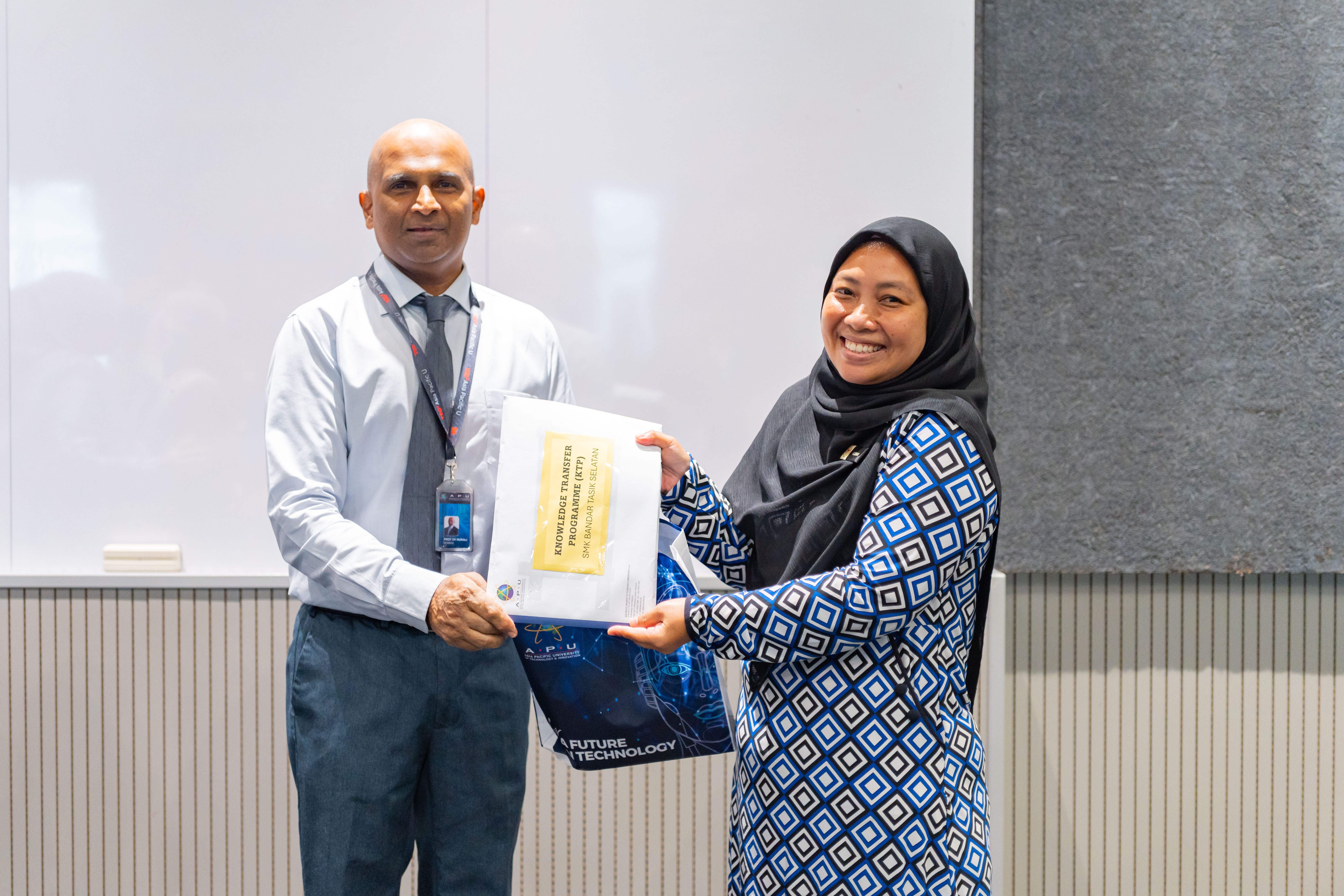
The programme concluded at APU on 10 September 2026, where the students experienced a university learning environment while consolidating the knowledge and skills developed throughout the three modules.
The final day provided an opportunity to connect the different learning approaches — game-based problem-solving, mathematical visualisation and responsible AI-assisted learning — into a broader understanding of how Mathematics can be taught and learned in innovative ways.
A closing and prize-giving ceremony, graced by Professor Ts Dr Murali Raman, Deputy Vice-Chancellor (Academic Development & Strategy) at APU, also recognised the students’ participation, enthusiasm and engagement throughout the three-day programme.
Beyond introducing new tools, the three-day initiative demonstrated how different teaching approaches can work together to make Mathematics more accessible and relevant to younger learners.
Extending Mathematics Education Beyond the Classroom
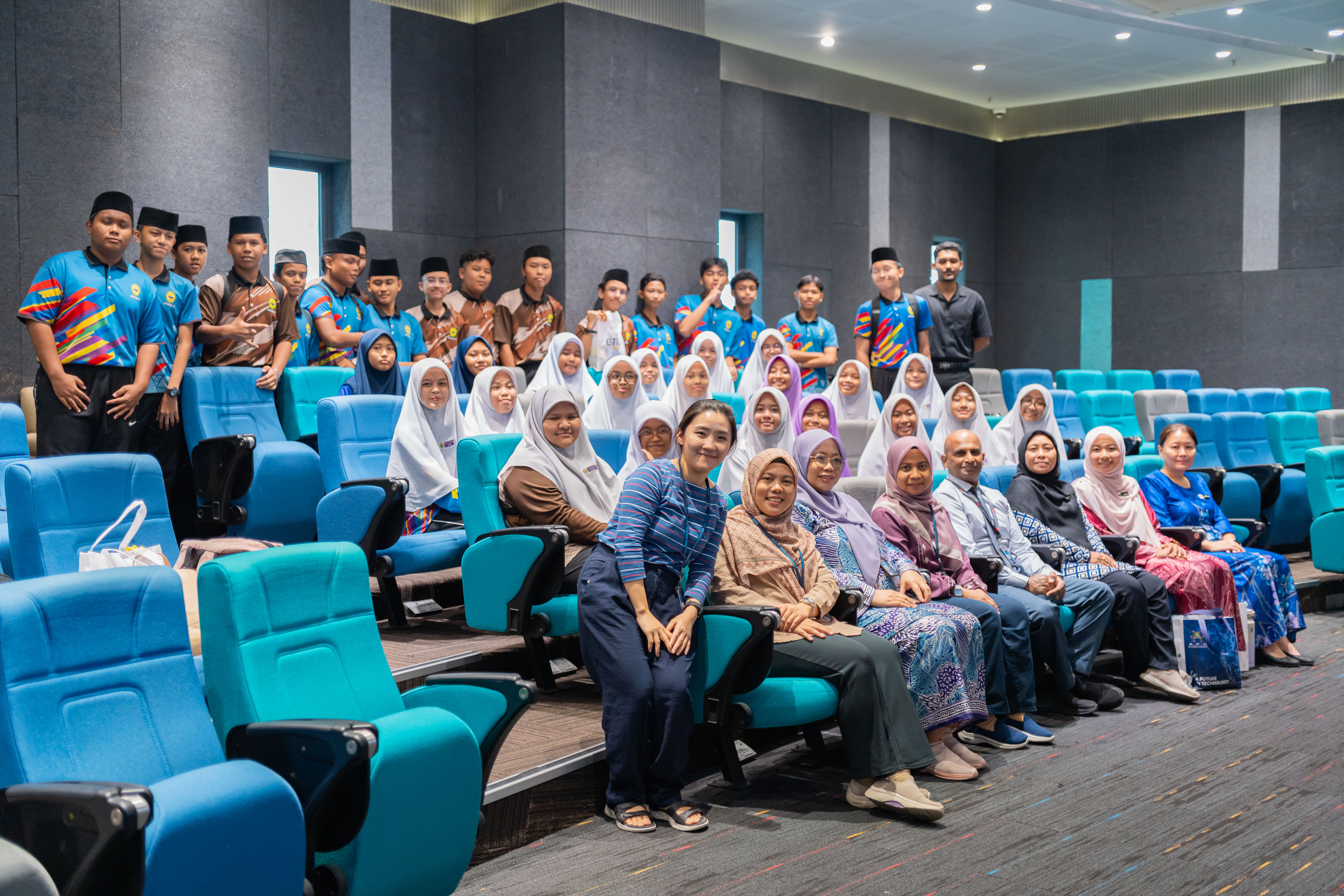
The collaboration between SoMAQS, APU and SMK Bandar Tasik Selatan reflects a shared commitment to nurturing mathematical interest from an early stage while equipping students with problem-solving, digital learning and independent thinking skills that will remain relevant as they progress in their education.
The programme also created a valuable platform for knowledge sharing between university academics and school educators, extending academic expertise beyond the university and contributing towards more innovative and meaningful Mathematics education.
Assoc Prof Dr Rajasegeran Ramasamy, Head of SoMAQS, commended the academic team for translating their expertise into an engaging learning experience for younger students.
“I sincerely appreciate Ms Norain Alwi, Ms Penny Ngu Ai Huong and Dr Rahimah Abdul Rafar for taking Mathematics beyond the university classroom and presenting it to these students in ways that are practical, engaging and relevant to how young people learn today.”
“Their commitment reflects the important role academics can play in inspiring mathematical curiosity from an early age while helping students develop the confidence, problem-solving mindset and responsible digital learning habits needed for the future. We are also grateful to SMK Bandar Tasik Selatan for sharing this commitment with us and making this meaningful knowledge-transfer initiative possible.”
News & Happening
Download e-Brochures
Intake Calendar
Want to know more ?
Let’s Connect