The School of Engineering (SoE) at Asia Pacific University of Technology & Innovation (APU), in collaboration with the APU Society of Petroleum Engineers Student Chapter (APUSPESC), recently brought STEM learning beyond the classroom through a two-part Corporate Social Responsibility (CSR) STEM Outreach Programme at BRDB Rotary Children’s Residence (BRCR).
Image
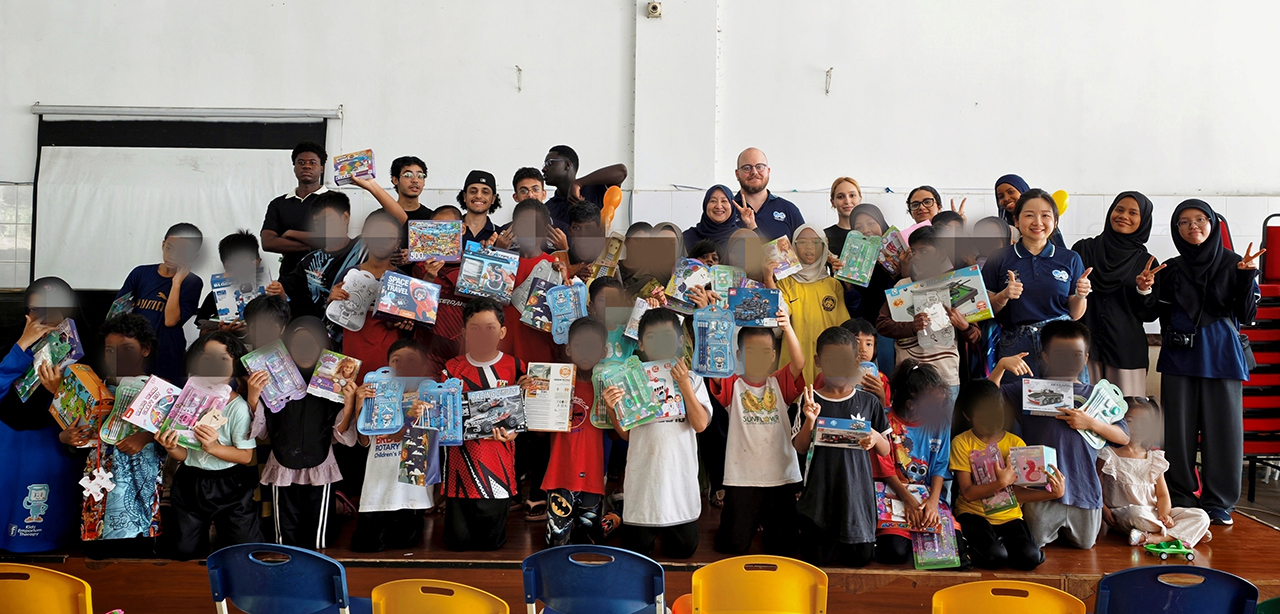
Conducted on 25 July and 1 August 2026, the initiative combined community service with experiential learning, creating meaningful opportunities for underserved children to explore science and engineering while enabling APU students to grow as future engineers with a strong sense of social responsibility.
BRCR is a safe home jointly established by the Rotary Club of Kuala Lumpur Diraja and Bandaraya Developments Sdn Bhd for abandoned, orphaned and at-risk children and teenagers.
Making STEM Accessible and Engaging
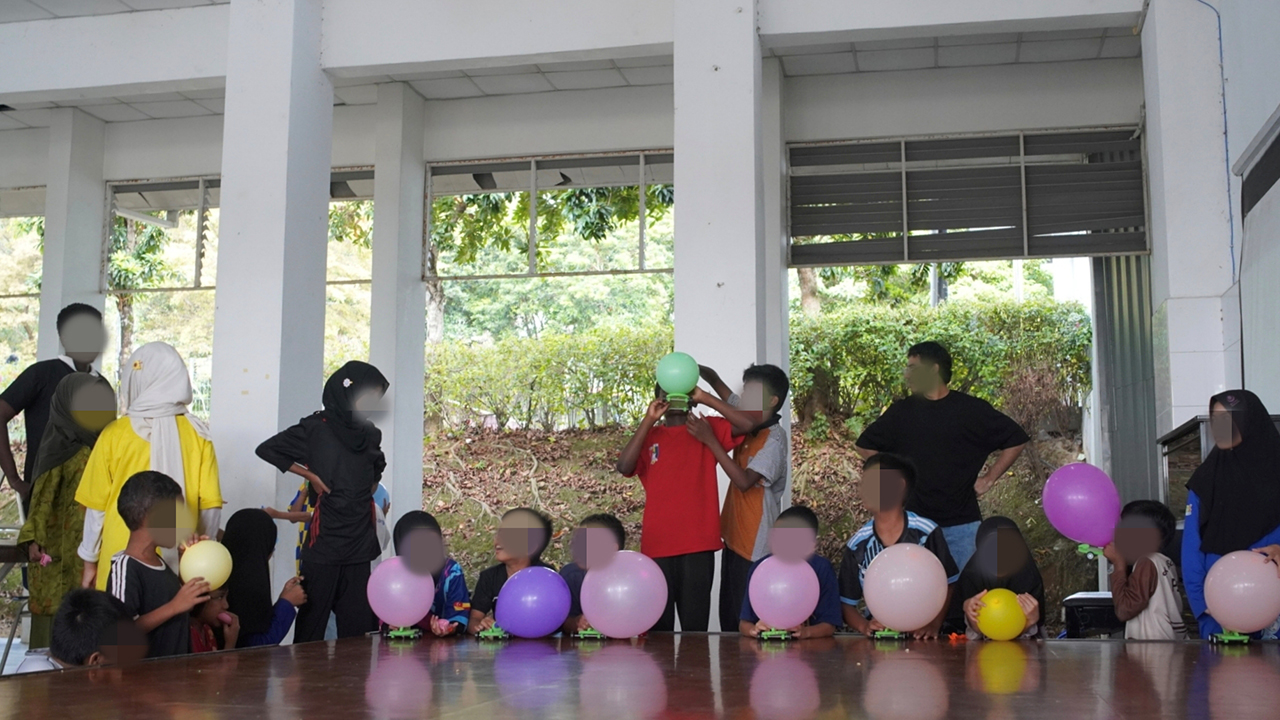
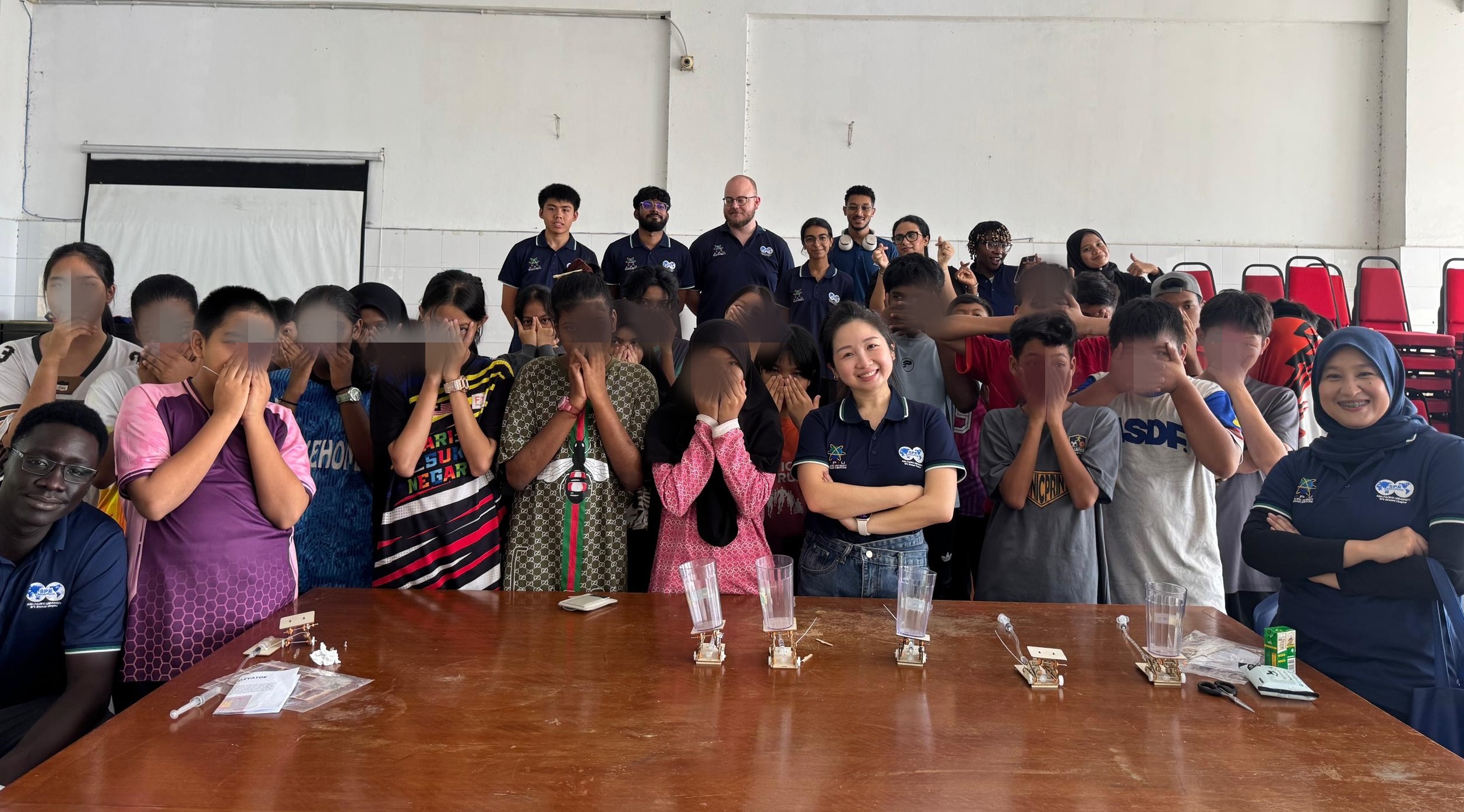
Across both sessions, the programme benefited 66 children comprising 37 primary school students and 29 secondary school students residing at BRCR.
Facilitated by 20 APUSPESC members — 11 facilitators in the first session and nine in the second — the programme introduced the children to fundamental STEM concepts through hands-on activities designed to encourage curiosity, creativity, critical thinking and problem-solving.
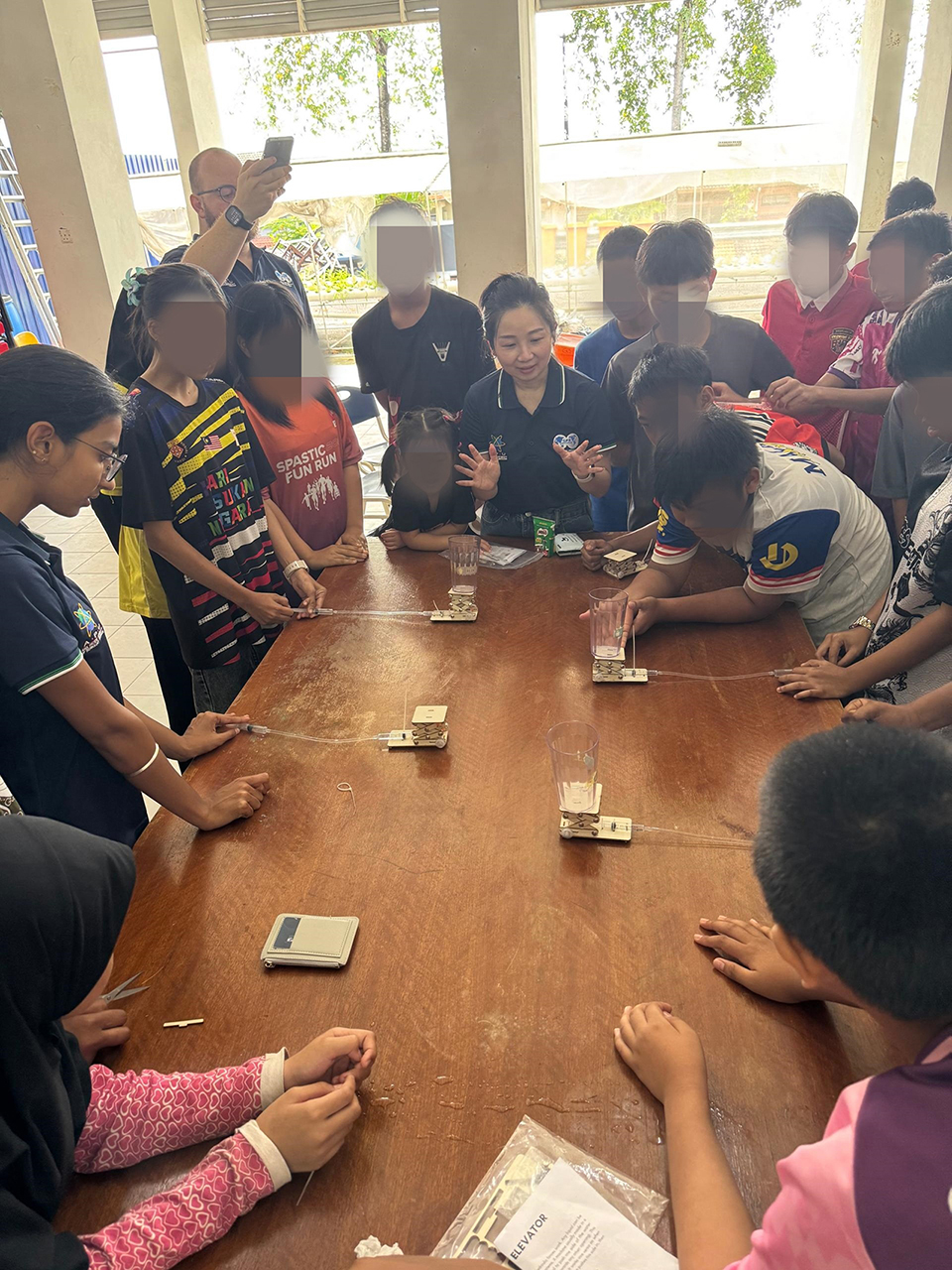
Among the activities were the Balloon Car Challenge and Hydraulic Elevator Project, which transformed scientific and engineering principles into tangible learning experiences. Rather than encountering STEM only through textbooks, participants could experiment, observe outcomes, work collaboratively and understand how ideas translate into practical applications.
The approachable and enjoyable format helped make science, technology, engineering and mathematics less intimidating, while encouraging the children to see themselves as capable learners who could potentially pursue STEM-related studies and careers in the future.
The programme was led by Ir Dr Wong Siew Fan, Senior Lecturer at SoE, with support from Ms Fatin Ayuni, Lecturer at SoE.
Developing Engineers Beyond Technical Knowledge
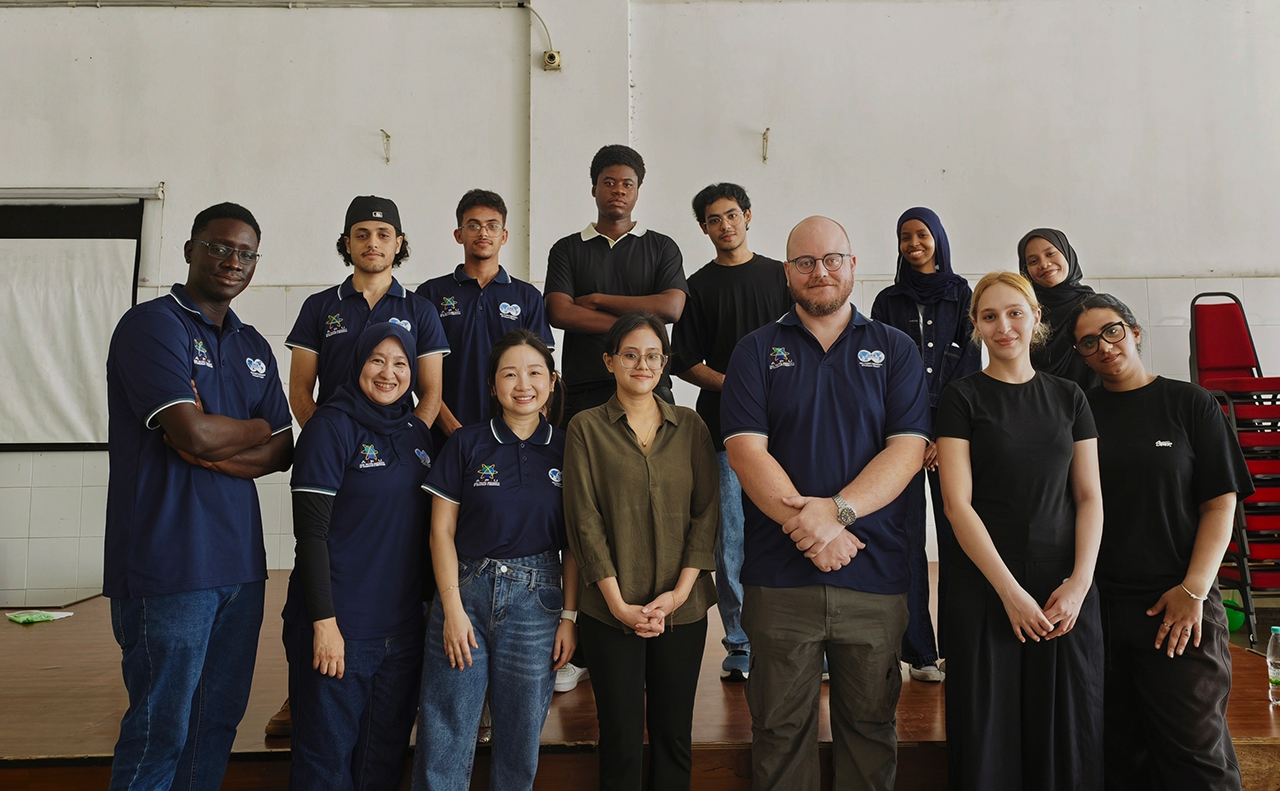
For the APUSPESC volunteers, the outreach programme carried an equally important dimension.
Under the guidance of Ir Dr Wong and Ms Fatin Ayuni, the undergraduate students assumed active responsibilities in programme planning, activity facilitation, team coordination and participant management. Working directly with children of different ages and learning needs required them to communicate clearly, respond patiently and adapt when an explanation or activity did not unfold as expected.
These experiences strengthened professional competencies such as leadership, teamwork, communication, adaptability, project management and problem-solving. More significantly, engaging with children from vulnerable backgrounds encouraged the students to reflect on empathy, civic awareness and the wider responsibilities that accompany their future professional roles.
For Bachelor of Petroleum Engineering with Honours student Lucas Chiong Ju Wynne, Secretary of APUSPESC for the 2025/2026 term, the experience demonstrated how knowledge becomes more meaningful when it can be shared with others.
“The STEM activity was a valuable experience that allowed me to connect with the children while sharing my knowledge with them. It also taught me the importance of patience and effective communication, as well as the need to adapt my approach to make their learning experience more engaging,” Chiong shared.
Learning Through Connection
APUSPESC President 2025/2026 Levi Louis Mark Anthony, also a Petroleum Engineering student, similarly found that effective facilitation depended not only on technical understanding, but also on the ability to connect with participants.
“As a student facilitator, my biggest takeaway was learning how to communicate, adapt and work together while making STEM fun and accessible for children of different ages. Seeing their excitement and curiosity during the activities reminded me that learning can be most meaningful when it is hands-on, engaging and enjoyable,” said Levi.
Their reflections underline an important dimension of engineering education: becoming future-ready involves more than mastering technical knowledge. Engineers must also understand people, communicate across different contexts and recognise how their knowledge can contribute to society.
Creating Impact Through Education and Service
By extending STEM learning opportunities to an underserved community, the programme supported APU’s broader commitment to producing graduates who are professionally capable and socially conscious.
The initiative also contributed towards the United Nations Sustainable Development Goals, particularly SDG 4: Quality Education through accessible STEM enrichment; SDG 10: Reduced Inequalities by widening educational opportunities for vulnerable communities; SDG 17: Partnerships for the Goals through collaboration between SoE, APUSPESC and BRCR; and SDG 8: Decent Work and Economic Growth by encouraging STEM awareness and future educational and career aspirations.
More than a series of science activities, the STEM Outreach Programme demonstrated how engineering education can connect knowledge with purpose. By nurturing curiosity among children while developing empathy, leadership and civic responsibility among APU students, SoE continues to advance a holistic approach to educating future engineers — preparing them not merely to solve technical problems, but to understand the communities their solutions ultimately serve.
News & Happening
Download e-Brochures
Intake Calendar
Want to know more ?
Let’s Connect