Industrial Design students from the APU’s School of Media, Arts and Design (SoMAD) recently participated in an in-house project accelerator and pre-screening session, where they presented their projects, received industry feedback, and were evaluated for the Global James Dyson Award 2026, with standout innovations identified and fast-tracked for refinement and competition entry at both national and international levels.
Image
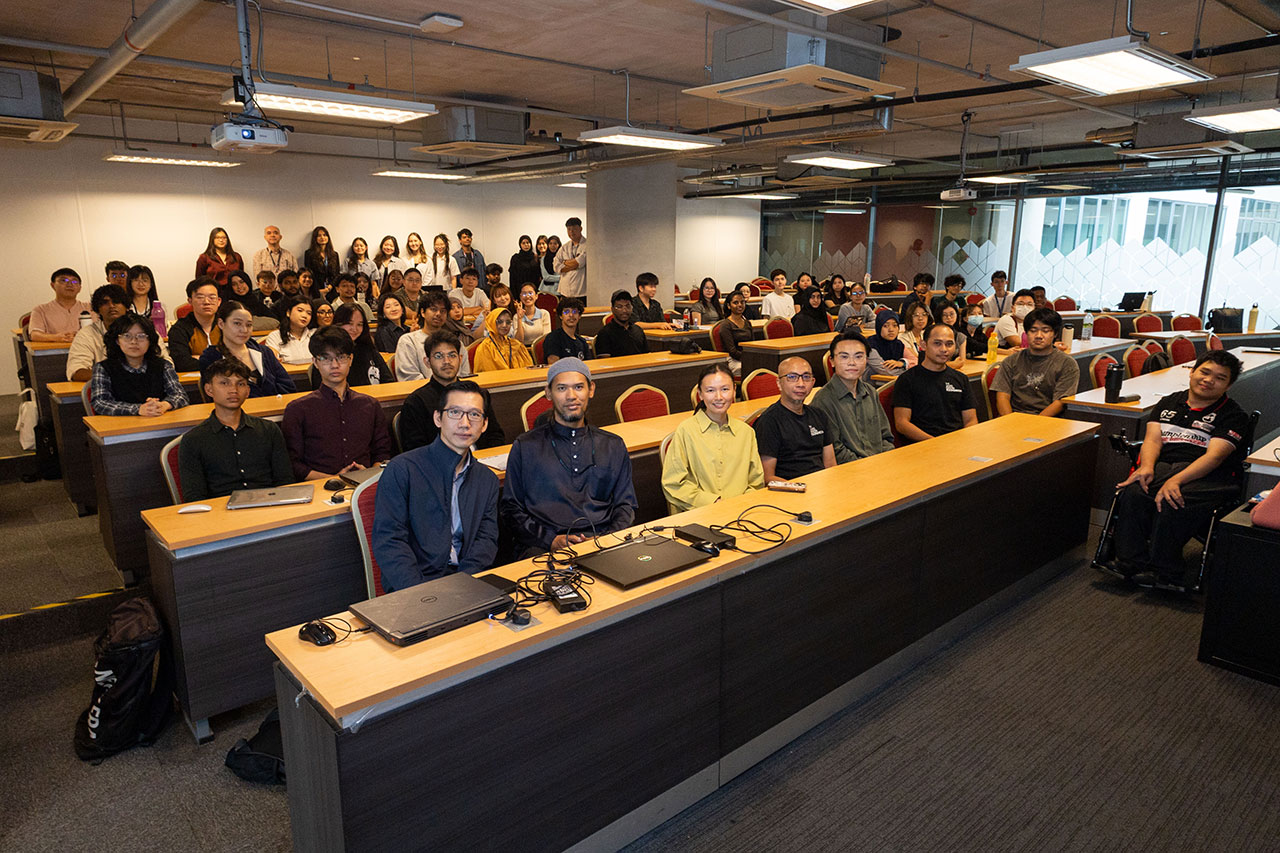
Industrial Design students from the Asia Pacific University of Technology & Innovation’s (APU) School of Media, Arts and Design (SoMAD), recently participated in an in-house project accelerator and pre-screening session.
The main objective of the session was to allow students to present their projects and receive industry feedback, as well as to serve as a pre-screening platform for the Global James Dyson Award 2026.
It also aimed to identify standout student innovations and fast-track them into the national and international pools of the award, with selected projects being refined and polished for competition entry.
APU has achieved strong recognition in both the James Dyson Award Malaysia and the Global James Dyson Award over the years, producing multiple national winners and finalists.
Its notable winning projects included KUNO (2020), a sustainable cooling refrigerator concept developed by Industrial Design students; WaterPod (2021), a seawater desalination system; Whalecro (2022), an underwater microplastic collection vehicle that secured the national runner-up position; Brikoole (2024), a passive breathable brick cooling system; and UNBLOK (2025), a biodegradable FOG filter for kitchen waste and oil.
Key upcoming milestones for the Global James Dyson Award 2026 include 15 July 2026, which marks the submission deadline, 9 September 2026, when the National Winners and Finalists will be announced, including selected Malaysian entries, and 4 November 2026, when the International and Sustainability Winners will be crowned by Sir James Dyson.
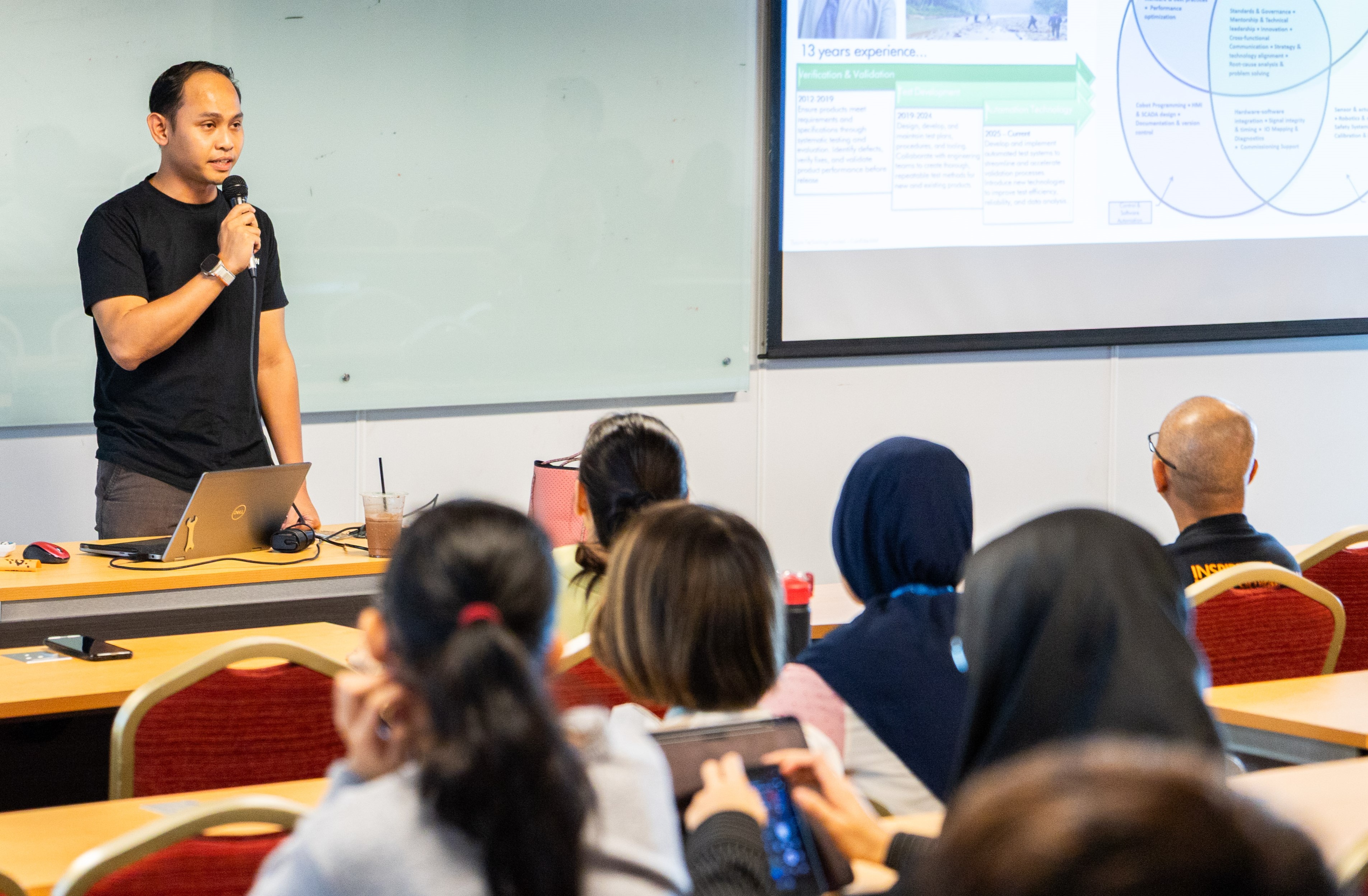
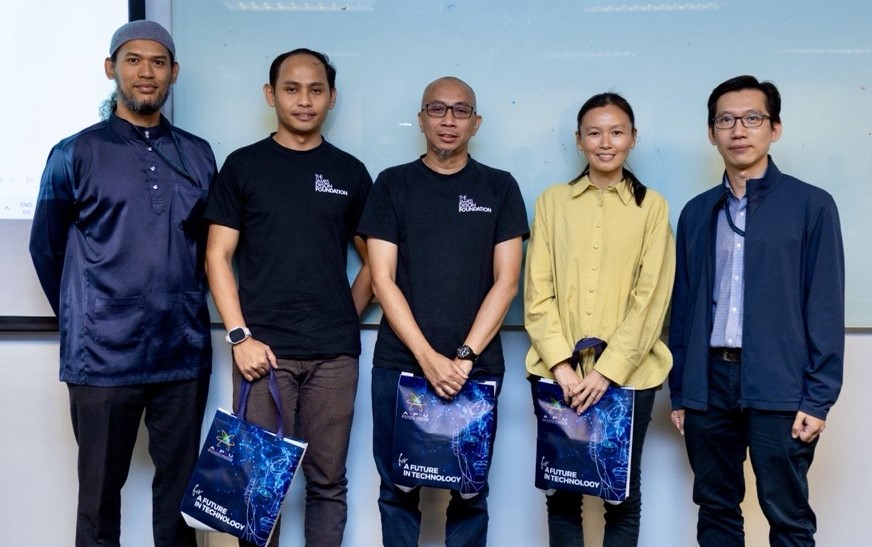
Coordinated by Mr Shazwan Halamy and Mr Teay Siew Yen, both lecturers from SoMAD, the pre-screening session provided students with a unique opportunity to receive professional feedback on their final-year projects while gaining valuable insights into current industry expectations.
Reflecting on the success of the event, Mr Shazwan highlighted the strong partnership between APU and the James Dyson Foundation.
“The programme achieved its objectives of fostering industry-academic engagement, providing students with valuable professional exposure and strengthening the culture of innovation within the Industrial Design programme,” he said.
Mr Siew Yen added that direct engagement with industry experts played a crucial role in helping students refine their ideas and strengthen their project outcomes.
“The constructive insights shared by the James Dyson Foundation panels enabled students to improve their design solutions and better align their work with industry expectations.
“Such engagements are essential in bridging the gap between academic learning and professional practice,” he explained.
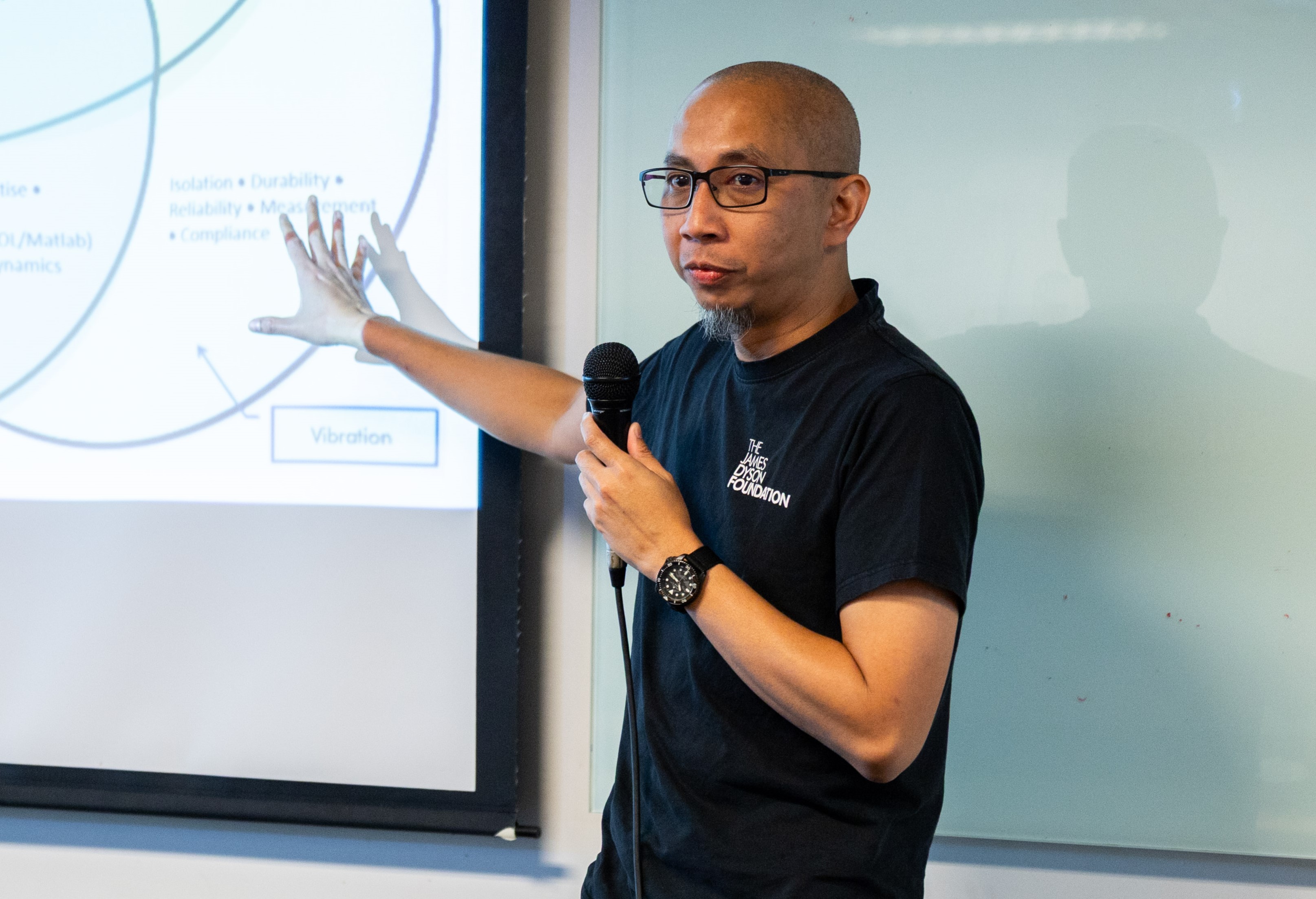
The project evaluation sessions were conducted by a distinguished panel comprising Ms Manyi Ho, James Dyson Foundation SEA Manager; Mr Mohd. Faiz Abdul Aziz, Associate Principal Engineer, Automation Technology; and Mr Affendi Zamzam, Associate Principal Engineer, Acoustics & Vibration.
Commending the quality of the projects presented, Ms Manyi Ho highlighted APU’s long-standing success in the James Dyson Award competition.
“APU SoMAD has consistently demonstrated excellence and maintained its momentum as a national winner in the James Dyson Award competition over the past six years.
“It is encouraging to see another strong cohort of students presenting innovative and impactful design solutions, with several projects showing significant potential for this year’s competition,” she said.
The industry panel was particularly impressed by the maturity, depth and problem-solving quality of the students’ work.
The standout projects included those by Ng Wen Kai, Rizwan Haani Mohidin and Lee Zhong Ming.
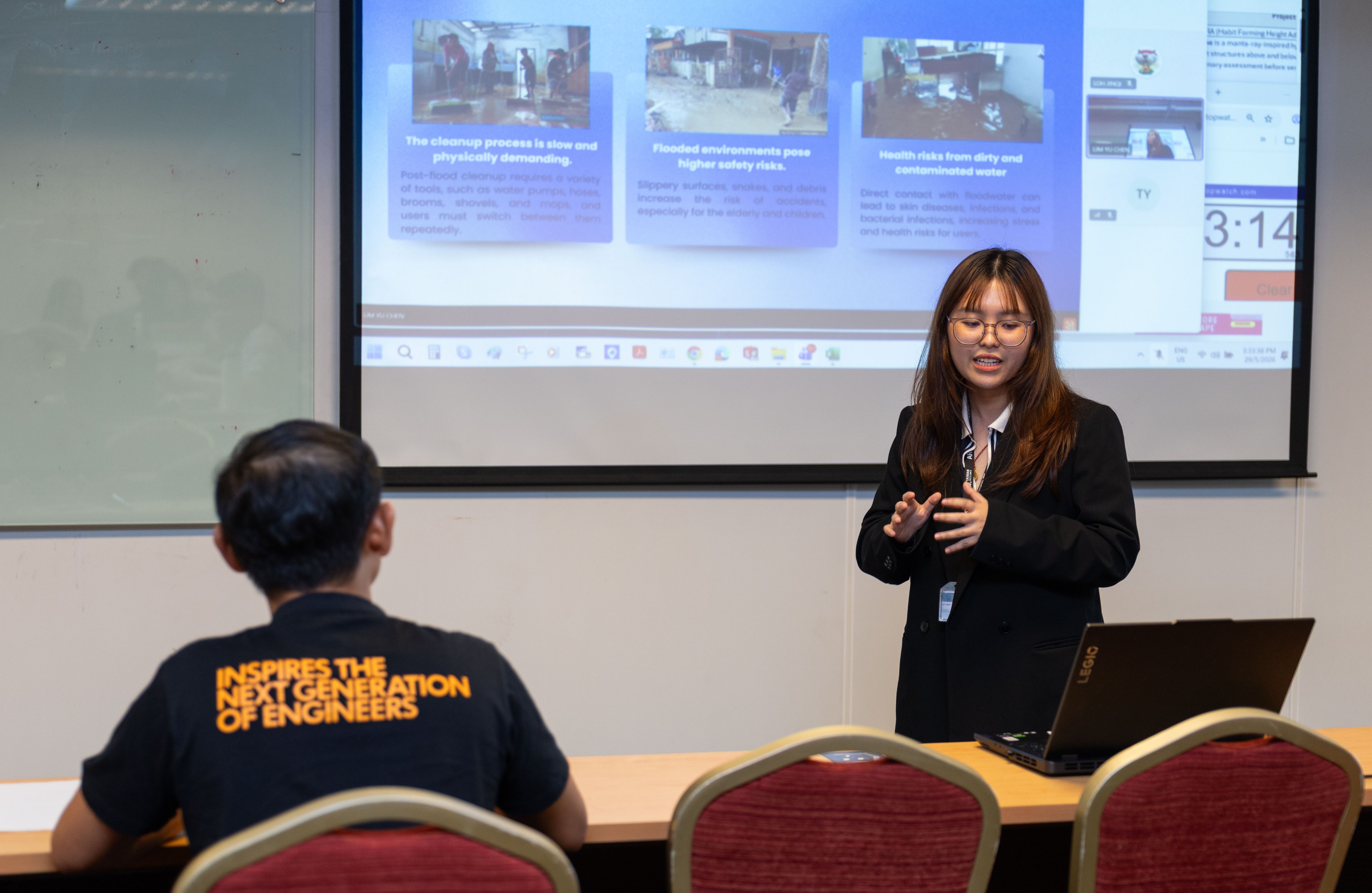
Wen Kai presented LÜMiON, a chandelier-inspired design integrating ambient lighting with advanced air purification technology, offering both aesthetic and functional value for interior environments.
Rizwan Haani showcased Starman, a rugged ambulance concept designed for search-and-rescue operations in post-disaster environments, addressing critical challenges in emergency response systems.
Zhong Ming introduced Mantrae, a manta ray-inspired hybrid drone capable of both aerial and underwater inspection, offering a safer and more efficient approach to infrastructure assessment.
Following the evaluation, all three students were selected for submission to the Global James Dyson Award 2026, where their projects are currently being further refined and polished for entry.
The pre-screening session successfully strengthened collaboration between academia and industry while providing students with meaningful opportunities to validate and enhance their final-year projects.
The professional mentorship and constructive feedback received throughout the programme further elevated the quality of their work and reinforced their readiness for global design challenges.
With several promising innovations demonstrating strong alignment with sustainability, innovation and real-world application, APU once again showcased the creativity and capability of its Industrial Design students.
The pre-screening marked an important step in advancing student projects towards national and international recognition in the James Dyson Award 2026 cycle.
News & Happening
Download e-Brochures
Intake Calendar
Want to know more ?
Let’s Connect